

#223: Maricopa Community Colleges, Dell & NVIDIA on AI Workforce Development

In this EDUCAUSE episode, leaders from Maricopa Community Colleges, Dell, and NVIDIA break down what's actually broken in higher ed workforce pipelines — and what AI workforce development can do to fix it.


🤝 Join the CIO Communities for Local Government
A private, vendor-free network where public sector CIOs share what’s actually working
Members get:
- 2x National Retreats (facilitated by Info-Tech Research Group & Gartner)
- 4x CIO Virtual Roundtables
- Monthly “Behind the Mic” intelligence brief (1-pager)
Apply to Join → https://techtables.com/communities-local-government
📝 Show Notes
Featuring
Jess Evans is the Vice Chancellor and Chief Information Officer at Maricopa Community Colleges — founding member of the National AI Consortium alongside Miami-Dade and Houston Community Colleges, leading AI strategy across 10 colleges and 185,000+ students with one metric driving everything: student employability.
Adrienne Garber is the Chief Technology and Innovation Strategist at Dell Technologies for Higher Education — covering 17 states with a decade at Columbia University spanning roles as researcher, faculty member, student, and now strategic vendor partner.
Marie Breedlove is a Segment Sales leader at NVIDIA — working across all OEM partners and industries with a front-row view of where agentic AI, physical AI, and robotics are heading and what community colleges can uniquely do with NVIDIA's full-stack platform.
Timestamps
(1:00) Introductions — Maricopa, Dell & NVIDIA live at EDUCAUSE
(2:00) The student who almost skipped Python — and why it matters
(7:00) Students in shelters calling into Zoom — the real digital equity problem
(13:00) People think AI just happened — NVIDIA's 30-year history in higher ed
(17:00) Agentic AI, physical AI, and robotics — what community colleges must prepare for
(24:00) Reducing FUD across 10 colleges — Maricopa's AI Resource Center
(33:00) Under $100 a credit hour, zero debt, job-ready — the community college case
(38:00) Maricopa students running a real SOC for Homeland Security
(40:00) Empathy across the aisle — researcher, vendor, teacher, and student in one person
(45:00) The National AI Consortium February conference — come to Miami
Testimonials
Whenever you’re ready, there are 3 ways you can connect with TechTables:
1. 📬 The TechTables Newsletter
Thanks for reading TechTables! Get early access to new episodes, insights, upcoming events, and more — straight to your inbox.
Join now: https://www.techtables.com/
2. 🤝 Join the TechTables CIO Communities for Local Government
A private, vendor-free network where public sector CIOs share what’s actually working
Members get:
- 2x National Retreats (facilitated by Info-Tech Research Group & Gartner)
- 4x CIO Virtual Roundtables
- Monthly “Behind the Mic” intelligence briefing doc
Apply to Join → https://techtables.com/communities-local-government

3. 🤝 The Better Together Virtual Series
The narrative-driven series bringing together industry partners and public sector CXOs. Discover the compelling stories that unfold when we stop working in silos and start building together.
»»» Email joe@techtables.com to learn more.
Platinum Newsletter Sponsor:
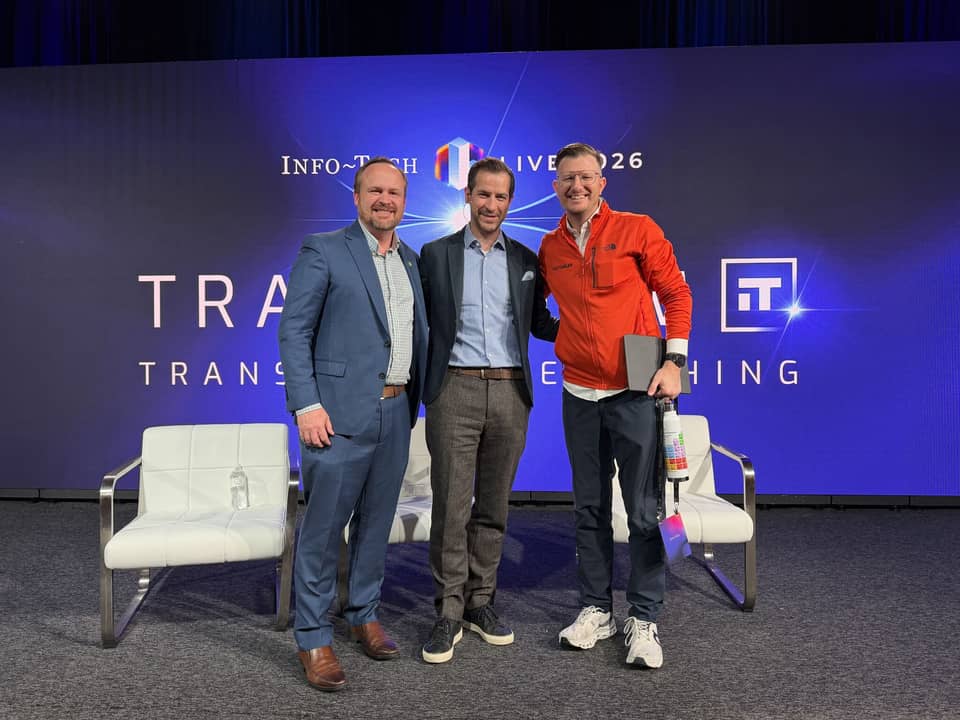
Missed out on Info-Tech LIVE in New Orleans? No worries, you can join TechTables & Info-Tech Research Group at Info-Tech LIVE 2026 - Las Vegas (June 9 - 11, 2026)!
Gold Newsletter Sponsor:

SentinelOne - Learn how SentinelOne empowers this state to stay secure.
Verizon Frontline -The advanced network that keeps first responders connected when it matters most.
Carahsoft - The Trusted Public Sector IT Solutions Provider™, supports government agencies and education/healthcare markets. Contact your Carahsoft rep today to access special discount pricing exclusively through the TechTables + Carahsoft partnership!
Guests
Episode Transcript
In this EDUCAUSE episode, leaders from Maricopa Community Colleges, Dell, and NVIDIA break down what's actually broken in higher ed workforce pipelines — and what AI workforce development can do to fix it.
Joe Toste: [00:00:00] Hey, what's up everybody? This is Joe Toste from techtables.com and you're listening to The Public Sector Show by TechTables. This podcast features human-centric stories from public sectors, CIOs, CISOs, and technology leaders across federal, state, city, county, and higher education. You'll gain valuable insights and current issues and challenges faced by top leaders through interviews, speaking engagements, live podcast tour events.
Joe Toste: We offer you a behind the mic look at the opportunities top leaders are seeing today, and to make sure you never miss an episode. Head over to Spotify and Apple Podcast. Hit that follow button and leave a quick rating. Just tap the number of stars that you think this show deserves.
Joe Toste: Thank you for coming on the show inside the Carahsoft booth. We'll kick off with Jess. Just a quick intro. Good morning. Thank you for having me. I'm Dr. Jess Evans. I am the Vice Chancellor and Chief Information Officer at Maricopa Community Colleges in the great State of Arizona.
Joe Toste: Thank you for having me and I'm excited about what we're gonna talk about today. Very excited, Adrian. I'm Adrian Garber. I'm the Chief Technology and Innovation strategist at Dell Technologies for higher education. And I'm from Pittsburgh, Pennsylvania [00:01:00] and Cleveland. Yeah, but that's okay. We're still friends.
Joe Toste: We're still friends. We'll be friends at least until football season gets really Fair enough. Fair enough. And I, I really enjoyed so far EDUCAUSE and I'm excited for this conversation 'cause I'm hoping it's gonna weave together a lot of the things we've been talking about the past couple days.
Joe Toste: And you sent a photo over and I was like. Are they gonna start fighting on the Oh, no sports or how does this work out? No, we're we're friends. We're, we're better. We better together? We're good. Better together. We're good. Marie. So I'm Marie Breedlove. I'm with Nvidia Corporation, and then I get to do segment sales.
Joe Toste: And the cool thing about my job is I get to work with all the OEMs, so great partner with Dell, and then I get to cover all industries. So not just higher ed, but the industries that Nvidia focuses on. So I'm very excited to be here. And see how people are teaching the students coming to, to industry. I'm a military kid, so I'm from all over. And so usually when I call home either California, Texas or Italy is one, one of the homes. So Yeah. Military breath. Yeah, exactly. So. Go Navy, sorry.
Joe Toste: My wife's military brat. Fun fact about [00:02:00] Nvidia, actually their market cap hit $5 trillion this morning when I opened the Wall Street Journal.
Joe Toste: So they're, they're on a tear right now. Jess, we'll kick off with you. So you mentioned, correct me if I'm wrong on the sa, so there are 10 colleges, 185,000 plus students, correct. Wow. Yeah. And you are a founding member of the National AI Consortium alongside Miami-Dade and Houston Community Colleges.
Joe Toste: Fun fact, I'm actually going to Miami next month for a live event. And I was talking to someone at Miami Dade and I was like, Hey, you know what? I gotta send you this episode or screenshot. You should absolutely. And you should absolutely do that. But you have to come in February when we have our big annual conference.
Joe Toste: We'll get into that. Oh yeah, yeah, yeah, yeah. We must have to talk about that. Tell us about a student that has changed the way you think about AI access and what they were trying to do and what barrier. Made you say, we have to fix this. Okay. Love the question because it is actually one of the larger challenges for workforce development as you're trying to make sure that students have the right skill sets, experiences, and applied understandings.
Joe Toste: Right. I have a student who had come to me and said, Hey, [00:03:00] Dr. Evans, I'm gonna be a software engineer. I said, okay, tell me why. Why do you want what? What's driving you in that way? Okay. And he said, well, I wanna, I wanna write code. And somebody told me that software engineering is where I need to be. And I said, and and what year did they tell you that?
Joe Toste: Out of curiosity? They said, whoa, like, like maybe a year or so ago. And I said, can I just advise? It's probably somewhere else you'd wanna focus. Well, why would I wanna do that, Dr. Evans? Well, software engineering is a preem and it will never. Ever officially go away. We will always need a level of engineering in that way.
Joe Toste: But if you don't wanna be a hardcore behind the scenes greenfield developer, I said, you know, there's a stronger demand in cyber specifically because of artificial intelligence. There's new vulnerabilities that are being implemented and there may be a little bit more growth in that regard because you could be multi versatile and you can still add value.
Joe Toste: You can still write code, but you have a longer career trajectory. And he says, that's great. I'm changing my major. Well, when he changed his major, Python is not a [00:04:00] required course, and I, I, my heart fluttered and I went to, I said, why is it not required? And he was like, well, I have options. And I'm like, but in the workforce you don't have options.
Joe Toste: This was the fundamental disconnect. Faculty have to understand what is crucial in order to make sure that students have the right level of skills, knowledge, and experience. And Python is preeminent. Sorry, I'll die on that hill, I think. But that is when that student really opened my eyes and I said, I have to get involved in a stronger way.
Joe Toste: So I immediately applied to the built leadership team. They interviewed me, and they're like, yep, come help us. Make sure that faculty will ensure the right skill sets are being introduced into the workforce now and into the future. So that's, that's really good. And we're gonna, we will jump to Adrian in a little bit, but that just, it dovetails so well with the student experience piece.
Joe Toste: But there are a couple quick follow ups. So I did pull up a YouTube 'cause we had never met before. Oh Lord. And so I'm like J Dr. Jess Evans. Okay. We, we've got some content. This is great. So I actually thought this was really insightful. You said that [00:05:00] probability is not truth. Which is kind of funny 'cause it's, it's like kind of axiomatic, right?
Joe Toste: Like it's not truth. Anyone who plays poker or any Well in the hard sciences it's not truth. If you were talk to a physics major and you say the probability he goes the net is very likely, but it is not definitive. And I would agree with that. And that is the opportunity we have from a literacy perspective, is to help students understand that when they are leveraging something like generative ai, generative AI is gonna tell you the most probable answer with the context and the knowledge that it has.
Joe Toste: So it's whatever data you fed into it. A hundred percent, right? Yep. But agen AI is like next level awesomeness. Because AgTech is the new bridge. And so while generative will just become part of our everyday tool set, and it'll just be woven into every productivity tool suite, which is why prompt engineering will not be a job you will ever hire for, but Agentic, this is why I need Python developers.
Joe Toste: This is why I need students that understand the operational landscape because ag agentic will start making decisions. Generative will tell you where the best decision you should go. But [00:06:00] a agentic will say, and let me take that, and here is your plan and here are your things and this is why you do these things.
Joe Toste: I was really curious about this. Being a founding member, I like, what's the one metric you're focused on? Employability for students. If you're looking at anything else, then why are we in this business? Students are our lifeblood. It is the reason we're in higher education.
Joe Toste: It's why we do what we do. And if I don't have students that can be employed, why would they waste their money and pay for college? It, I mean, it's seems so simple, right? But with the influence of social media and the influence of media in general, it's hard for a student to understand where that value proposition is, right?
Joe Toste: Okay. We're only here for them, so we need employability because that's why they go to college. They want employability. That should be our metric. Yeah, that's a great metric. And very smart with with, with the cost of tuition. We, we, we have that conversation all week here. Yeah. Employability is great.
Joe Toste: Adrian, you were at the New York, New Jersey, higher ed IT summit where you had mentioned to me that a CIO described students. And [00:07:00] homeless shelters using landlines to complete their homework, not smartphones like I have in my hand right here. Tell us like, what, what went through your, your head?
Joe Toste: You didn't give us the full background on yourself, but you used to be at Columbia. Yes. What was like eight years? So yeah. 10, but who's counting? 10? 10. I'm sorry. Let me round up. 10. 10, 10 years. Yeah. How does that moment, like when you're thinking about. You know, digital equity, you're thinking about all, everything across.
Joe Toste: Like what comes to mind when you're thinking about this is a whole new problem that you might not have thought about before. True. Because higher ed comes in many flavors and at that particular conference, which is run by the Center for Digital Education, and they do it statewide across other states, so you get to see a pretty wide perspective.
Joe Toste: It was SUNY schools, so schools in the state system, CUNY. Small liberal arts. It was really a, a cross section that actually comment came from a CIO of Hostos Community College. So it was a community college, CIO who made that comment and thinking about equity. We hear this word at this conference [00:08:00] democratization a lot all the time.
Joe Toste: Yeah. And it makes you think about that student experience having to cut across. Heavily resourced institutions, students that are adult learners, non-native speakers of English students that are in the military, maybe active duty, but also gaining credentials. And the idea of is it a degree, is it a credential, is it a certificate?
Joe Toste: Thinking even about that student experience tying to like, what is the outcome? And maybe the outcome is employability. Maybe the outcome is upskilling where I'm in a, I'm currently employed and I wanna keep my job, I wanna be better at it, or I wanna be future proofed so that I'm not one of the ones that maybe gets.
Joe Toste: You know, repurposed in a way that I'm not in control of. So I think that's where even the idea of mobile learning was what we were talking about at the moment. And he said, I have students who are trying to call into these online Zoom session or Microsoft teams sessions in their Canvas courses, and they have no way to upload their homework because they are in shelters.
Joe Toste: And it was very eye-opening and very [00:09:00] sobering. To realize when we're thinking about democratization, the only way to understand those student perspectives is to spend time with your student body. So I even think for us as strategic partners and vendors, and we're creating technology that are being used in those spaces, how do I really understand the student experience?
Joe Toste: I either become a student myself, which I am, I'm currently in school but also spending time on campuses and really. Spending time with your students, being on advisory councils, having them on our councils, really just getting them embedded with us. So just to follow up on that you're in the Houston Community College AI Board, is that right?
Joe Toste: Mm-hmm. So I've been It's the AI industry board? Yeah. Oh, the AI industry board. Okay. So I've been to Houston quite a bit. I've thrown two live events there. Shameless plug, we'll link to those in the show notes. So with like Harris County, the city of Houston, all the kinda surrounding areas, rice. We had the future information technology professionals.
Joe Toste: The, the kids college kids came out to the event and I asked every CIO in the room to hold a, a business like hand out business cards to these kids and [00:10:00] they, I mean, you thought they were counting a hundred dollars bills. Like they were, they loved it. Yeah, it was a lot of fun. But I'd love to hear a little bit more specifically.
Joe Toste: I just traveling around to different cities and counties and states, Houston's a lot different than the northeast. Are there any insights that you've gleaned? So for Dell, I actually cover 17 states. I have two teammates who do what I do, and between, among the three of us, we are covering the entire country.
Joe Toste: And I think the challenge we have is syncing up with like regional differences, right? City versus rural versus, you know, suburban. And that's been interesting to kind of see are there nuances? And the answer is yes. But then we have to come up with uniform programs. So how do you have a systemic approach to skilling workforce development, curriculum creation, co-curricular projects when you have, you know, disparate groups and you're trying to have something at least commonality among all of them.
Joe Toste: At Houston, what I really enjoy about being on that committee, and so I was built, trained as well. Yep. And so we do go as the, as the strategic partner [00:11:00] and a vendor, we go through a process with these community colleges of. How do you, you know, sort of assess what skillset you're looking for? How do your engineers sort of communicate that back to professors who have research interests as well as academic and teaching interests?
Joe Toste: And they have a AI conference they put on every year. They've been doing it for the past few years. It is 100% student led. Oh, I love that. So if you wanna go to a conference, wow. That you can really see that student perspective. So they host a career fair, they have an industry day, they have an academic track, so they can sort of expand their curricular options and talk to us.
Joe Toste: And also each other about what it is that they are needing because they are adult learners and they are bringing their holistic education experience with them. So they're coming from alternate careers like maybe nursing or healthcare, and they're saying, but this is what I need to be, you know, more positioned and more marketable in even the field that I have, even if it's not a strict technology field.
Joe Toste: So shout out to HCC. I really think they've been done doing a wonderful job and now joining this national Applied AI consortium. [00:12:00] I mean, just even they, I heard yesterday from Antonio Delgado sitting next to me, he runs the program from my for Miami Dade, and he said, we have over 400 member institutions now.
Joe Toste: I know. So that's pretty amazing. That's that's pretty, that's so exciting. That's, that's, that's really, that's actually really impressive. I actually might think that's the guy I am talking to. Okay. I go back to my email. Oh yeah. You ha if you were talking to Anthony, he's the man. Okay. Okay. I gotta, I gotta make sure, I gotta make sure.
Joe Toste: There were a lot of folks in Miami that were like, you need to talk to this person. You need to talk to this person. And so at Miami-Dade, it's a big college. It's, I did a couple years ago. I, I hosted at secure Miami and at Miami-Dade College, and it was massive. I mean, I couldn't even keep track of the amount of p It was, it was pretty fun.
Joe Toste: Marie, so you had said something when we had met for our intro call That was pretty powerful you said. People think AI just happened. So this is happening a lot. Right? People think it just came outta the blue. Like it just happened last week, but nvi, so NVIDIA's been pioneering this in higher education and research for at least 20 years.
Joe Toste: I think it's been around for 30 years. Yeah. Yeah. I think, you know, I, [00:13:00] NVIDIA's worked with the University of Toronto in regards to completing AlexNet and really that's a couple of things is it's just using GPUs and our Kuda software. And so one of the things that we think about, well, gosh. I think Op chat, GPT came out and that's really when consumers started interacting with it, right?
Joe Toste: But we've been interacting with AI for years, right? If you say, Hey, Siri, Hey Alexa, you're talking to an ai, right? If you go to your favorite streaming service and you watch a movie and it recommends another movie, that's a recommender tool. That's using a large language model to identify the, your likes and dislikes to recommend another system.
Joe Toste: Just like when you buy something, it says, maybe you should buy this too. That's all AI based. I think the difference with chat GPT is now you're interacting with it. Right now you're doing generative stuff. It's using contextual items like you said, and you're generating new content. And then the next piece is moving to Agentic AI, which will start making [00:14:00] decisions for you.
Joe Toste: Right? So I could imagine at college. I'm a product of community colleges and university, and I would chase community colleges down for my classes I needed, and I, if I had an Agentic AI, it would just say, here's your classes, you're signed up for it. Here's how you paid for it. Here's how we're doing this thing.
Joe Toste: So the Agentic AI acts on your behalf. Right. And I think it's really important that we have students who know how to program with Python and we offer a Cuda libraries to help speed that up. Right, because one of the things we wanna do when we talked about doing your life's work, right, is all of us work and do things that we love.
Joe Toste: But if you're interrupted or you're waiting, it just takes the fun out of it, right? So I unfortunately use Excel all the time. And so I will put a headset on and just go into doing my pie charts and my V lookups and those type of things. But if I have to hit a button, go get coffee and come back, I might lose my rhythm.
Joe Toste: And so I think the cool thing about Nvidia is. We're a full stack company, so it's not just the [00:15:00] GPU, we have Cuda libraries to help make people get their stuff done faster. Right. So you talked about Python libraries. We have CDF, which is a data frame library that'll speed it up super fast. So you hit it for polars and pandas, which are the most recognized things.
Joe Toste: And then also just focusing on industries. That's just one. We focus on multiple different industries to help speed up their life's work. So, so I was very curious around, in the last. 18 to 24 months. Yes. Things have changed. So they're moving so fast. I, I wanted to hear from you, like what are you seeing right now in the marketplace in the last 18 to 24 months?
Joe Toste: I think people are just really looking at Agentic AI, looking forward to physical ai. So how do you, so, you know, there's robotics in place. So one of the things that we've come out with is Nvidia actually play puts out their own large language models, award-winning large language models. So we have.
Joe Toste: Nemo Tron for like data frames. We have Cosmos for physical ai. And then why that's important is if you're going into [00:16:00] robotics, you might use one of our large language models like Isaac, right? You might be doing development for Isaac and robotics, but how do you train a robot, right? It takes millions of hours to train a RO robot.
Joe Toste: And unfortunately, you and I personally don't want to show a robot how to put a glass. On a counter without dropping it. Right. And so when you use physical ai, we have a, a software called the omniverse where you can actually train robots inside the software in order to do the jobs that they need to be able to do.
Joe Toste: And all of this is going out into industries, whether it's you know surgical robots, whether it's the robots that are in data warehousing, so, or cars. So if you took a autonomous vehicle. That's actually a robot, right? And so just working in industry is people are thinking about how can I get this job done efficiently?
Joe Toste: And then just the tasks that need to be done, the tasks that maybe a, a human doesn't wanna do, right? Like, I don't wanna sit there and screw in something all day, every day. It's not enjoyable for me, right? But I want to do something that's my life's [00:17:00] work. And so I'm able to go to a community college, get upskilled and start training robots, right?
Joe Toste: And how do I, how do I do those things? That's a big thing we're seeing is people are really upskilling to go learn about agent ai, physical ai, robotics. How do I change the world that's going on right now? So, let's us kind of, this is me going off the script a little bit, but I'm really curious, like thinking about or dreaming about like, this future is coming and it's gonna come very soon, sooner than most people think.
Joe Toste: I've been in a Waymo. It's like fantastic in San Francisco. It is amazing. It's, we have 'em all over Tempe and Phoenix everywhere. It's, it's amazing. Specifically for community colleges, where, where do you think is gonna be like, like, you know, like back in the day, you, you still always still have like, you know, like auto, auto shop for some of the universities.
Joe Toste: Like there's kinda these trade schools. Do you see, like, where do you see the future of, of this going? There's, you know, learning Python and then there's gonna be probably a whole host of other, both like physical and digital skills that need to be learned. Well, I mean, [00:18:00] if you think about the way that the way the workforce is set up, right, you're going to have people, especially in community college, so at Houston Community College.
Joe Toste: In the AI curriculum, one of the things they do is they go to the Nvidia GTC Conference, which is the graphics technology conference, and they do a field trip with their students to learn about what industry wants in their workforce. Right. So, and it's part, it's part of their curriculum. We have, we actually, this week we have a GTC in DC right now, so in, in the District of Columbia.
Joe Toste: And that's really where we help our customers. And understand what our roadmaps are, what we're doing. And then also we wanna amplify what our customers are doing. So that's what's happening in what we think like a technology industry. But then if you think like my plumber, right? Or my, I live in Houston, so HVAC is very important to me, right?
Joe Toste: And so you think about the people going to do an HVAC system a lot of the people who do that trade very important, very valued, but a lot of 'em are retiring. And there are younger kids who don't want to do that [00:19:00] trade. Right? So how do you take that knowledge transfer from those people who are retiring and giving it to 'em?
Joe Toste: You may put it in a large language model and you might put a rag on it to say, Hey, I'm in, you know, I'm in the conference center in, in Tennessee. I have this h. It's, it's doing this. Help me figure out how to do it. I've never seen it before. Right? But I have the skillset. I already know how to work on an hvac.
Joe Toste: I don't, I know how to work on an hvac, but you know, I'm, I can learn and I'm a doer, right? And so then I'm starting to use AI to help me get my job done. And I. That's something that people shouldn't be embracing in regards to how do I use AI to upscale me? Right. So I may be doing HVACs around the, like, around the neighborhood.
Joe Toste: Who's gonna have the robot do the hvac Well, well, I mean, that might not be today. Right? Right. And so, you know, I'm, I absolutely wanna show value in regards to how do I understand what you have and I can personalize it. Right. And I can use I can use AI to help me with that as [00:20:00] well.
Joe Toste: When I went to college at this point, maybe 20 years ago. It is just changing. So, and I have a 16-year-old daughter and we're having this conversation right now, and AI is a big piece. School has its own position. I have my own position. I'm very bullish and pro on it. And so, but we have these conver, I have these conversations and so it's interesting to see like.
Joe Toste: What colleges that she's looking at right now, what is their stance on AI? And it just varies across the country. Yes. And then, you know you know, what does it look like both kind of individually, where does she want to go? What does the world look like? I'm always sharing conversations. I'll go, I met, I met these ladies on this podcast, Anabelle, and we talked about this, and she's gonna be like, kind of curious, wandering around.
Joe Toste: And so it's fun to see the conversations happening in real time. For the future of the workforce right now? Yes, and I mean, I use, I use AI a lot. Like I work at Nvidia. We're constantly learning. We have new technology coming up all the time, and I might just ask my favorite chat tool, like, [00:21:00] please explain this to me as if I was a 5-year-old and I do a lot of training to sales reps at all the OEMs, and so I wanna make sure that I'm training it in a way that is.
Joe Toste: Under is consumable. And I would imagine that the community colleges and colleges wanna do the same thing. You have these kids coming out who are AI natives, right? It's, it's not foreign to them to ask a question, right? But you need to be able to help them understand how to put it together and make it valuable, right.
Joe Toste: And understand the, the pitfalls in regards to cybersecurity or, you know, maybe. They're not gonna do plagiarism, right? Like, you wanna make sure you're writing your own stuff. Right? And so I think it's important that one, they, they feel confident to ask their professor what they can and cannot do, but also feel confident to know whatever that they're, they're searching and they're looking for and they're putting down on paper, they can feel confident that their name is on it, right?
Joe Toste: So they have to understand it. Can you make a good point about training too? 'cause I know we've talked about training, like as a organization of over a hundred thousand employees. We have like just in time learning [00:22:00] where we have the mandated technology courses that marketing must take and sale. It's like non-technical positions, learning technical things.
Joe Toste: And that has just sort of been a given for us. And then also your own curiosity and professional development needs sort of push you into what's available at your organization. So for us, like all of Dell internal and then we looked to our partner ecosystem like. Oh, are there, are there courses that are at Maricopa?
Joe Toste: Are there courses that are at nvidia? So creating a professional pathway that's formal and informal and sort of meeting the need in the moment. So I think that's what I would encourage your daughter to. And this is about like, is it employability? For us? It's transferability. So it's not, can you learn this skill?
Joe Toste: How well do you deal with ambiguity? What sort of things are you teaching yourself that now you're able to then later like apply that skillset in a different and unique way? I am a career changer. I'm on my third career at this point. I started in autonomous vehicles and robotics at Carnegie Mellon, so that was 20 years ago also.
Joe Toste: And, [00:23:00] and 20 years later you're talking about Waymo. We thought it was gonna move a lot faster than it did, and it took 20 years to get where we are. So, and it was more machine learning than of artificial intelligence. Yeah. It gets conflated way too much. That's actually a really great point. I, I have this conversation where the word AI is just constantly used, but I'm like, no, no, you, you actually mean that.
Joe Toste: You just want automation. That's what you want. You don't want AI or, or that's actually machine learning and Yeah, it just gets all bundled. This is actually really good. Dovetails right off what she said about, you had mentioned about, you know, security emerging technologies and and Jess, can I call you Jess, by the way, please?
Joe Toste: I'm super informal. I'm so sorry. Absolutely. I'm like super informal. Ab you are not a student of mine, so you are more than welcome to just be a human being. I would love that. I heard that student. You still have to color doctor students tuning in. It. Is it Dr. Evans? It's okay. Yeah. Well, you know, walk us through right now with, with the 10 different colleges, you're, you're gonna have conversations that folks are not gonna under quite understand how are you building the partnerships?
Joe Toste: How are you building the [00:24:00] relationships to really get the, the vision and mission that you have across? Excellent question. How do you get collaboration innovation in such a very difficult. Situation, landscape.
Joe Toste: With all of the emerging technology right now, with all of the buzzwords coming out, how do you reduce fud, fear, uncertainty, and doubt. That is not my phrase. I learned that from my dear friend, Mark Henderson, who is the CIO of university of Pittsburgh right now. Must give him a shout out because he taught me about fud.
Joe Toste: Okay. Fear, uncertainty and doubt will kill every culture, every innovative program, every initiative, whatever strategy you're trying to do. When they say culture eats strategy for breakfast, what they actually mean is that FUD eats eats strategy for breakfast, fear, uncertainty, and doubt. So it is my mission to ensure that FUD is mitigated to the best that we can.
Joe Toste: You'll never eliminate it a hundred percent. Because the human nature and the curiosity that we have is actually healthy to question it, and it is good to question it, which is the whole academic spirit, right? Question it. Let's learn from it. Let's make sure it's in its best form. So when I [00:25:00] reach out to college presidents, when I reach out to college CIOs, when I reach out to my constituents, it's about making sure we understand what are the right use cases we are using that really will actually bring value to all of us.
Joe Toste: For teachers, for students, for administrators. That's what we need to do. So we're building something called the AI Resource Center, which is a collaborative of our, across all of our colleges. I'm the executive sponsor. We're bringing in largely faculty members to help us have that conversation. And we will meet regularly and say, what are the use cases that our faculty need at all of our colleges?
Joe Toste: Where are our commonalities? Where can we share resources? Where are some of those nuanced differences for each school that we do not want to crush? Because that's part of the school's identity. And so balancing school identity to. Standardization and unification as a delicate dance takes a lot of fun and a lot of, are you sure?
Joe Toste: Do you feel good? Are you okay now? Does this make you feel better? Because humans have to feel better in order to understand it. Psychology 1 0 1. So we bring that into the mix and we say, okay, humans, [00:26:00] are you okay? How much fun do you have today? Do you have more fear? Do you have uncertainty? Do you have doubt?
Joe Toste: Do you have 'em all? And how do we mitigate that and working together is the best way to do it. And I appreciate Maricopa's approach because it was years ago that we partnered and we funded an AI for Education lab, but the lab wasn't the important part. The important part was it came with a train the trainer program.
Joe Toste: And it wasn't education for the student. It was education for the faculty. Exactly. So it was a place for them to experiment, work with each other. Say like, well, I'm a mathematics professor, but I do also wanna know about how, what's the difference between me, machine learning and artificial intelligence.
Joe Toste: And it allowed them to maintain their professionalism and still want to experiment knowing that I might not have all the answers, but my students are still looking to me to be the authority in the classroom. And I, I thought that was a great approach of, we're looking for a train the trainer model that allows our faculty to experiment before they are, than disseminating that knowledge to their student.
Joe Toste: Yeah, I think so. [00:27:00] At Nvidia for education, we focus on three areas, right? It's higher ed and research, and then student development and teacher development. Because if the teachers aren't on cutting edge, how are they gonna teach the students? And so we have DLI courses. These are deep Learning institute courses for our teachers to get CER certificates.
Joe Toste: And then we also have teaching kits to help 'em with the curriculum to help them understand, you know, whether it's data science, whether it's agent to ai, whether it's generative ai, how do you teach it? To your classroom and what are the resources to help 'em build a curriculum? They can pull out whatever, you know, once you get in the classroom, it's your classroom.
Joe Toste: Do whatever you need to do, but just help them get there faster so that way they can do exactly that. Right? I wanna be the, the expert in what I'm teaching and you don't wanna get up there fumbling in front of either kids or people who came from the workforce. 'cause they can, they can, they can see right through that right away.
Joe Toste: So, yeah. That's great. You know what was interesting when you, when Jesse were talking about. You know, giving everyone like a Hey buddy could come along, come along the journey. One of the reasons I actually love coaching high school [00:28:00] basketball as the coach is, at least with boys, girls, not the same with boys.
Joe Toste: There's less of a hey buddy, and it's get on the court right now which makes it a little bit easier. Adults do not respond, and girls be that harsh as well. I'm the next volleyball player. I'll tell you what it's all about. Hey, let's get this done. This is business. Right. Yeah. But that's the difference between sports and leadership.
Joe Toste: Yeah. I, I, I, I love, I'm a sports guy, so I, I like, it's funny, my wife's like, I would, I could never respond to that. I'm like, no, a hundred percent. You could, you could yell at me and I would get hyped. She's like, it's just so weird. But like, I'm like, yeah, I would get excited. Like I would be motivated and galvanize to go.
Joe Toste: She, but that's just not how you know. People oper, most people operate, right? So, but if you've played a sport, I'm a former rugby player, I'm like this. Let's go girl. Yeah, let's do it. Rugby's awesome. And now I have massive respect for you. Holy cow. I love that. Yeah. So you can yell at us too. Yeah.
Joe Toste: Yell, yell away on your turn. I'm pretty gentle. It's only usually if there's a ball in one of the kids' hands and they need to actually pass the ball which is communication. Anyways, I just finished coaching basketball for my [00:29:00] son's league. It was, there was a lot of yelling. Yeah. Yeah. And then a kid came out.
Joe Toste: I'm hurrying, we don't have enough people on the team. Get out there, play You're fine. Play through the pain. Play through the pain. Wasn't hurt. So, oh, I love it. And to be fair, actually, I would say the parents yell more than me in the stands. Yes. Which I can hear. Yes. Which, which is pretty funny by the way.
Joe Toste: He can hear you. Yeah. Yeah. So your mom said anyways wanna move to scaling this? So there's been a lot of POCs, they're everywhere, but, you know data is a huge problem if you don't have the right data. The bloats gonna scale. It just doesn't work. It all breaks down. So, Marie, you had told me that you came to Nvidia, and I love that you had already used this, but I'm still saying it, to do your, your life's best work to, you know, help build those products to help people live theirs.
Joe Toste: The National AI Consortium is scaling nationwide. 400. 400. That's amazing. What excites Marie, what excites you most about the community college's? About what the community colleges can do with [00:30:00] NVIDIA's platform that maybe some of the other universities aren't thinking about right now. So I actually don't have a very like narrow focus on education because I cover all industries.
Joe Toste: I know that we. One of the things we talk about Nvidia is, you know, we said the word democratization of ai and so I'll just point out some things that we offer that allow students to get started with AI quickly, and I'm sure you can chime in on how community colleges are, or higher education is taking advantage of that.
Joe Toste: So I told you we're a full stack company. We offer GPUs and that's awesome, right? We just announced a AI supercomputer that's very low cost, and you can get one from Dell if you wanted to get one. Or you can get a, a desktop, right? And so the plug, plug, shameless plug. Sorry about that. I, I do want a supercomputer in my house.
Joe Toste: So, but when you, but when you, but when you, when you look at it you can't just have hardware, you have to have software that goes on. You talk about data, right? Data's one of the biggest problems, right? So you have to have data regulations. You have to [00:31:00] actually know what data you have and how do you make it work together, and you have to make it clean.
Joe Toste: And so we talked about those. Cuda libraries are invaluable for industry. So we have libraries that focus on like genomics. We have val digital twins, you know, the data frame libraries for pandas and polars, help 'em with cleaning the data. And then the the the models that are out there, those are all.
Joe Toste: You know, when you get one of our GPUs, you can go out to our catalog and that's all free to you to download. The models are open source, so you don't even need one of our GPUs. You can open source, download it. And then we also have a very big builder community, an AI developer community. And as an AI developer, you get access to all our tools for free.
Joe Toste: So you can go to bill do nvidia.com and then that's just where you go. But you can actually go out there and learn about like, how do I use this model? We have playbooks out there that are like recipes that tell you exactly like this building A VLM might take you and a couple, you know, might take you three hours to do and here's what you're doing, here's what you need.
Joe Toste: And [00:32:00] so I think that's important to be able to make things easier. Right. We talked about education. How do you make it easier? Because if I can get my. My 9-year-old to do it at, at his desk. He's not gonna be able to do it, by the way. But if I can get him to do it, get him to try and he is not scared of it, there's no FUD there, then I can get my students to do it as well.
Joe Toste: Right. And so, and I think the cool thing about whether you're at a university, a state college, or a community college, you've entered into it thinking, this is where I'm gonna go learn. What I want to do. There's like some in, you know, I talk to 18-year-old kids and they're like, oh, I don't know what I'm gonna do for the rest of my life.
Joe Toste: You're right, you don't, because you might do something else or you had three exploration, but you're at this in exploratory mode. And just to make it easy and less frightening for 'em, I think is super important for them. So that's what, that's what, that's my part of the answer. But from a community college and university state, college level, what would you say?
Joe Toste: I take a deep breath because we're at a really critical juncture. The community [00:33:00] colleges are starting to understand that they need to offer more and more, meaning not more classes, but more value into the education process. Community colleges play the most critical role for both educating in trades, educating traditional liberal arts.
Joe Toste: Your hard sciences. It is a stepping stone is, which is how it is viewed for many. However, what a disservice to a community college. We're not just a stepping stone. Wouldn't it be great if you could get your four year degree at a community college price? Your daughter's about to go to college. Have you looked at how much it costs?
Joe Toste: We just had this conversation. She really wants to go to Amherst and their starting price tag is 95,000. Okay, so. I'm not sure what the per credit hour rate is, and I'm not even gonna do the mental gymnastics. I have not had enough caffeine for that. But what I can tell you is that if I offered you a bachelor's degree for less than a hundred dollars a credit hour, you'll have zero loans, no debt, and you will graduate on time with the right skill sets, the right knowledge [00:34:00] and an employability factor that is through the roof that you cannot get at traditional four years.
Joe Toste: Would your daughter be interested or would you as a parent be interested? Oh, I'm very interested her, her, not so much right now. That's okay. But the value proposition is that community colleges, their whole focus point is education. It's not focused on larger, complex research problems. There is a time and a place for that.
Joe Toste: Excellent schools that do that, I've worked at three of them. They're all amazing schools. But what happens is undergraduate education, while it's great, tends to be taught by a TA or, or someone up and coming. Five. But at community college, that professor is there just to help the student understand that content at a depth where they are laser focused, they get better.
Joe Toste: Smaller classes, they get more faculty engagement, 38 to one, 40 to one. They're not sitting in a 400 student psych 1 0 1 in a big auditorium. Being distracted and playing on their phone while they're sitting in that auditorium. They're not really learning. And so there is a [00:35:00] massive value add and the value prop to lean into community colleges, and they are leaning in.
Joe Toste: This national AI consortium was founded so that we can offer bachelor degrees for which we do bachelor degrees in artificial intelligence and machine learning, bachelor's degrees in cyber security, bachelor degrees in business, so many others. Well, wow, wasn't this fantastic, but we also can make you a welder if you'd like to weld.
Joe Toste: We can also blend that in. And the holistic blending of traditional education with the trades is the next version and value add that community colleges bring. And we're leading the way, and I'm really excited about that. So the role is there, but I believe that the stigmatism of community college, that it's only a stepping stone is such a disservice and we have to change the narrative, and that starts now.
Joe Toste: I also appreciate that especially in the Maricopa system, you have individual colleges who are on the forefront of new types of. Degrees. Not just skills, but degrees. Like I know at at Chandler Gilbert, it's drones. It looks like there's a Topgolf on campus, but that's where the drone program is taking place.
Joe Toste: 'cause these [00:36:00] giant nets are there. I know at Mesa you just started a data center skilling degree that's like data center with construction. Correct. And so they're, it's data center, it's blending and it's management. So even that like gray area between different disciplines and like where they might overlap into practicality.
Joe Toste: And I think one of the reasons you're uniquely positioned to do it is the relationships you have regionally with employers. And I also think you have faculty members who are practitioners. Amazing. So I think that's part of it is like you're pulling in their, their like realism if you will, into the course curriculum because you have them that are coming from like, and I actually do this in my day job and then I'm here teaching it for your students.
Joe Toste: Community colleges dispel those who can't teach and those who do do no at community college, everybody does. Faculty included, they really have the applicability, the most important thing. Another metric. But it's hard. I haven't figured out how to measure it yet, but it's applicability. So when you are learning something like Python, okay, now you know the programming language, you know the [00:37:00] syntax, and you can write some for loops, and you can do a little, do wilding and all the fun stuff.
Joe Toste: Those of you who are programmers, that was a fun joke. You should look that up. Point being, okay, so what if you know how to do a dole loop? How does that actually work in the real world? Well, when you have faculty who live it and breathe it every day, they go, oh, and by the way, here's a real problem. In the workforce Yeah.
Joe Toste: That we need to solve. And your homework assignment is to solve this for real. And if the, if the faculty member was really smart, that just happened that morning and he is like, don't worry, I'm gonna teach my classmate. I'm gonna sign for homework. I'll see what they say and I'll have the answer for you tomorrow.
Joe Toste: Right. Like, like that's a beautiful partnership. And then what empowering experience for those students to go, oh my gosh, I, I submitted something that might actually help something in real world. Yeah. You know, IRL it's a thing. You should be here. It's cool, right? Like this is awesome. That's the flavor that we bring.
Joe Toste: That's the experience we bring, and we just, maybe we need some better marketers. You even said it better than I am. I'm gonna bring you on staff. I'd like you to promote for those colleges. That would be [00:38:00] fantastic. Because we have to get everybody excited about community college. I love four years and, and football programs.
Joe Toste: We can go all day. Oh h. Io. Sorry, none of you're from Ohio. That's fine. My bad. I'll finish it for you. Best football team in the land. I'm just saying. But beyond football, what is the point of higher education? It's either one of two things. Advancing research and scholarship or educating the workforce.
Joe Toste: No one does educating the workforce better than community college. And I'll go to toe to toe because I have worked at three R one. Community College is where it's at. And I would also add to that. That there is a role for your vendor partner? Absolutely. As a vendor partner, we should be hosting hackathons on campuses, all campuses.
Joe Toste: Or sponsoring my faculty actually, because faculty are grossly underpaid. Sorry, but they are. I wish we could fix this. 'cause they're the most crucial element. Students first. Then for faculty, if you could help endow a chair or chair, community colleges don't have chairs, but you help the faculty. You bring a grant for like, I'm partnering with Homeland Security right now.
Joe Toste: They're bringing in a student led soc. And they're paying for our students to have, and they [00:39:00] are running actual SOC things for Homeland Security. Yes. Come to Maricopa, we will get you a real job. This is awesome. Right, like partner with your vendors. We run a grant support program. See? Exactly. And I know that you all do similar work and so some of it is like.
Joe Toste: You know, hackathons use it if you don't know about it. Yeah, we do hackathons, grants, we do lots of great things. Yeah. So I think a lot of vendors have space to be partners and they maybe aren't taking advantage of it. So that's sort of my call to action is, I would say, spend time on these campuses and ask where can your organization be contributing?
Joe Toste: And a lot of them, it's like, you're an alumni. Go there, spend time there, see if you can get involved. So Adrian, so you've been on all the aisles, you've got the researcher you've been vendor partner where you are right now, and you are, I've taught, you've taught and I've been a student. I am a student. You are a student. Just talk about the level of like empathy across the aisle.
Joe Toste: How are you able to, I mean, you could bring all that together. It is just pretty rare. Most [00:40:00] people don't have all the perspectives. Can you just share about that? Yeah. Being all jammed into one person who doesn't sleep. Yeah. You're one person who does not sleep very much. I would say it does obviously create empathy, actually creates sympathy because you're in the space.
Joe Toste: I think we all are capable of empathy even if we haven't been in the role or haven't been in that role in a while. I think that should be a core value that we all fold is to be a little more understanding and a little more curious. As to what others' experiences are because I think that's, I don't have to be an RI was an R one researcher, but I don't have to be an R one researcher to understand fud, to understand that there's funding challenges to know that maybe there are partnership opportunities that haven't been voiced, and maybe you can sort of help surface some of those because people don't always want to share what the challenges are when they're first getting to know you.
Joe Toste: That's, that's a lot of vulnerability. So I think it's, it's helped me in that respect of realizing I've been in those shoes, but I would challenge folks that haven't been in those shoes to be curious about them. And like I [00:41:00] was saying, like why aren't more of our staff becoming adjunct faculty members?
Joe Toste: Maybe they should just teach a class one semester and get the experience. Go take a certification that's outside of your organization that's not, you know, a Dell course that I have to take for part of my training and certification. But I go to Maricopa and I spend a semester at Chandler Gilbert learning about drones.
Joe Toste: I don't know, I think there's these opportunities for us to get a little more embedded and we maybe have to challenge ourselves to do that. I don't know how that happens in the 24 hours a day that we are allotted, but, you know, get creative. I also, I, I'm on a really good team and we're all cross.
Joe Toste: Functional, and I think that's been really helpful. If I have reasons to spend time with our Dell social Impact and giving team and they talk about the things that are, you know, mission critical for Dell. So it's like, these are the things I want you to be looking for as far as opportunities, Adrian, I'm like, okay spending time with our executive briefing center where they have all the industries are there, so it's like, what do I have to learn from?
Joe Toste: Autonomous vehicle [00:42:00] research that's being done at Dell through our office of the CTO. Yeah. While I have universities that are also doing that kind of research, maybe there's partnership opportunities and collaboration opportunities coming to these conferences, joining advisory boards, being on committees.
Joe Toste: So I think that's where you can sort of dip into the professor persona, the student persona, the administrator persona. I think we're hearing about, even in this, we're right by it, the cybersecurity section here. Security is one of those things that. Increases the level of fun. It sure does. Your fear doubt.
Joe Toste: And I'm sorry, what was you? Uncertainty. Uncertainty. I think when you share the risk, then you mitigate the risk, and I think leaning into your partners to do that, leaning into other nonprofits, leaning into your consortiums so that you can hear what other institutions are doing, that might be a way to sort of share that among a group.
Joe Toste: And then it sort of lowers that level. LO and LO is the barrier. Barrier to entry of like, I wanna experiment, I wanna be innovative. And even the IT role historically has been risk [00:43:00] mitigation and liability. And now it's like, Paul, can I get beyond that and start thinking about ways that I'm the enabler on my campus for these things to be happening?
Joe Toste: Yeah. You definitely wanna turn it into the office of Yes, right? Instead of the office of no. Right. And so they're kind of these unsung heroes that help you get your jobs done. But I would say, like when you talk about curiosity, I think also if you just, you know, you think, I talk to a lot of people and they'll say, well, I'll say, well, oh, you could do this.
Joe Toste: You can, you know, take one of our courses online. You can just watch one of the sessions or like 45 minutes and they go, oh, I'll have to find time. Right. And I think it's incumbent upon us in the industry to kind of see what, who's around us to say. You know, what are you teaching? I can spend 45 minutes a week to figure out what's going on around us.
Joe Toste: And then also education, looking at like, how do I find out what's going on to see what's, what's where the next the next industry's coming from. Right? And so just taking those 45 minutes or just even networking, right? Like I, [00:44:00] I spend 45 minutes. Yeah, not a whole week, but not at one time. But, you know, every day I try to network or try to promote or try to learn something that's outside of our Nvidia mandatory trainings that we have to learn or things that we're doing.
Joe Toste: But then also learning what our customers are doing, right? And how, how are they helping their employees. I, I, I said my life's work is really about helping people become more productive. That's kind of what I've done it my whole life, whether it was at Nvidia or where I am now. Just helping people understand.
Joe Toste: The technology and then how, how you use technology to be more productive and stay in this working zone. So I think it's important that we do look at what education's doing around us to help them get there and they look at what we're doing. Right. So, perfect. Before we wrap up, I I, I would just get a question if you don't have it off the top of your head.
Joe Toste: No worries. I was super curious. So I we've hosted some round tables in Santa Barbara at at the county of Santa Barbara. The, the CI there. This last round table, we had a couple of the community college districts CIOs showed up. So this would be California, [00:45:00] Ventura County, San Luis Obispo County, basically up until you get to like LA, somewhere between LA and slo, that kind of area.
Joe Toste: So now I gotta ask them, Hey, are you a part of the nationally? They are not. They're not? No. Oh, I'm gonna not yet crack the whip. You know who you are by the way. You can do it. It's okay. We're cool. We have fun. We dispel fud. Yeah, we already have another scheduled date, so I'll be telling all of you about that
Joe Toste: just tell them to come to the conference in February in Miami and see what it's all about. And then that too. Really? You wanna go to Miami? Absolutely. Yeah. In February for sure. No, it, it's gonna be an amazing conference 'cause it will be unlike any you've ever had. This is new. Think of the consortium.
Joe Toste: So NSF National Science Foundation is backing this consortium and who is leading is amazing. And she knows the value of workforce development, which is why the business industry leadership team, she said, Hey. We know that the applied AI is missing. See, that's why it's applied. It's not just theoretical ai.
Joe Toste: It's applied what is necessary. Come to the [00:46:00] conference, learn what it's all about. I'm not gonna tell you the total secret sauce right now, 'cause then you wouldn't have to come, but come talk to us and really get that industry in there so we can make employability a real thing for every student that gets an education.
Joe Toste: 'cause if you're gonna pour money into something, you should get a return. And if they don't get a return, why are they there? So that's what we're gonna do. I couldn't think of a better ending. Thank you for coming on the Public Sector Show by TechTables. Appreciate you all. Thank you, Joe. Really appreciate your time.
Joe Toste: That was awesome.
Hey, what's up everybody? This is Joe Toste from techtables.com and you're listening to The Public Sector Show by TechTables. This podcast features human-centric stories from public sectors, CIOs, CISOs, and technology leaders across federal, state, city, county, and higher education. You'll gain valuable insights and current issues and challenges faced by top leaders through interviews, speaking engagements, live podcast tour events.
We offer you a behind the mic look at the opportunities top leaders are seeing today, and to make sure you never miss an episode. Head over to Spotify and Apple Podcast. Hit that follow button and leave a quick rating. Just tap the number of stars that you think this show deserves.

Vice Chancellor & CIO at Maricopa Community Colleges
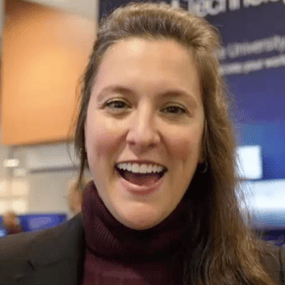
Chief Technology & Innovation Strategist - Higher Education at Dell Technologies
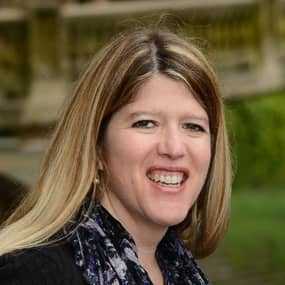
Business Development Manager at NVIDIA