

#228: Ithaca College & Omnissa on Nebula, ICare Team & 150 Students Who Almost Slipped Through
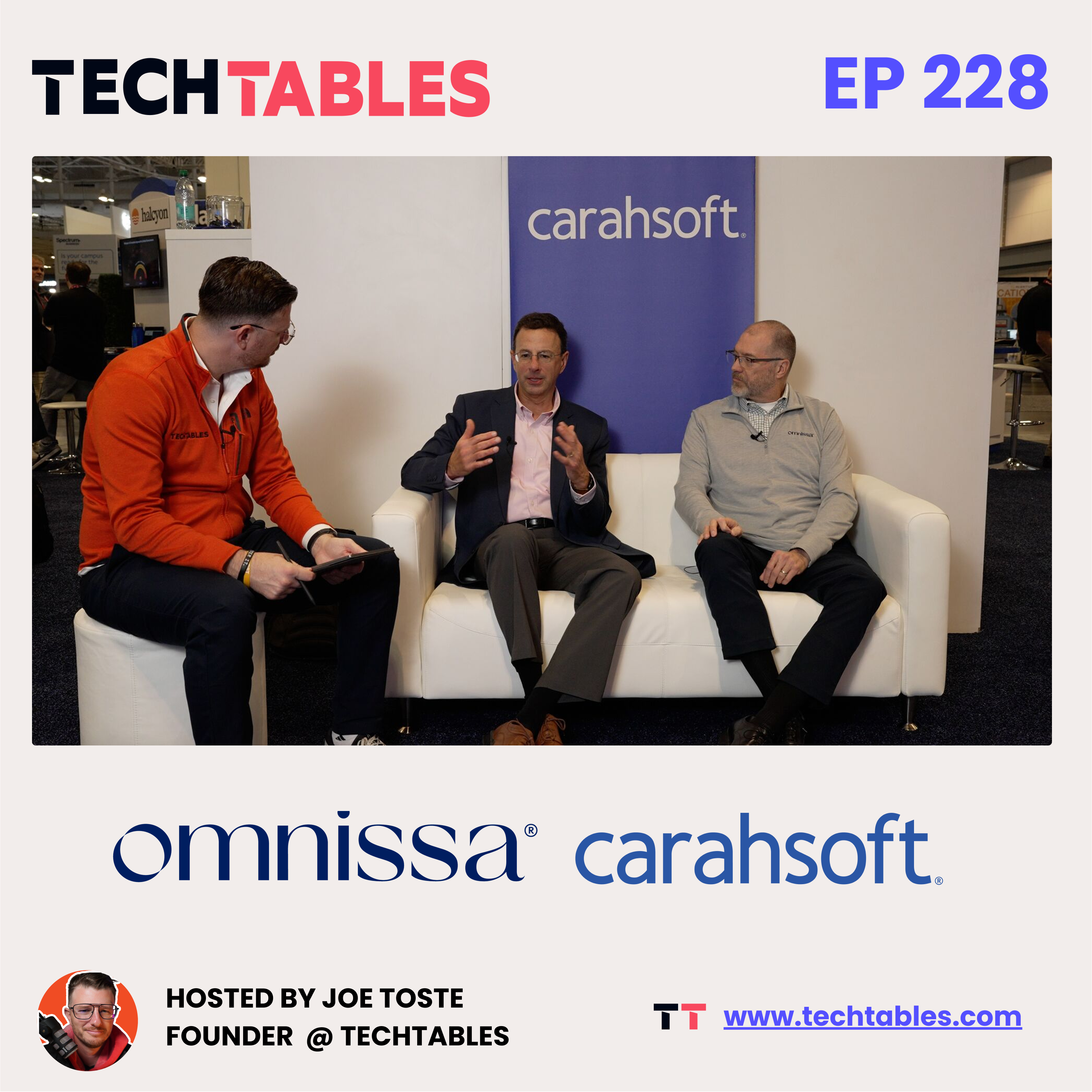
In this episode, Dave Weil from Ithaca College and Mark Richards from Omnissa explore how a small liberal arts IT team built an AI tool that freed up 150 at-risk student meetings - and why human-to-human connection has to stay at the center of any real AI strategy.


🤝 Join the CIO Communities for Local Government
A private, vendor-free network where public sector CIOs share what’s actually working
Members get:
- 2x National Retreats (facilitated by Info-Tech Research Group & Gartner)
- 4x CIO Virtual Roundtables
- Monthly “Behind the Mic” intelligence brief (1-pager)
Apply to Join → https://techtables.com/communities-local-government
📝 Show Notes
Featuring
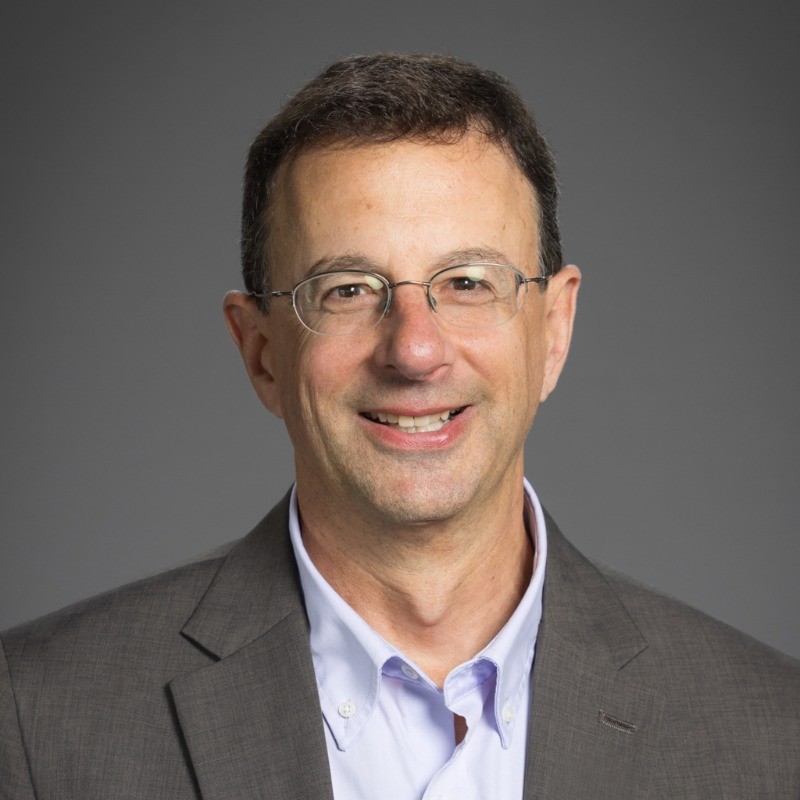
Dave Weil is Senior Vice President of Strategic Services and Initiatives at Ithaca College - overseeing HR, IT, Analytics, and AI, and a longtime contributor to EDUCAUSE leadership development including the Senior Director Institute and the EDUCAUSE Leaders Academy.
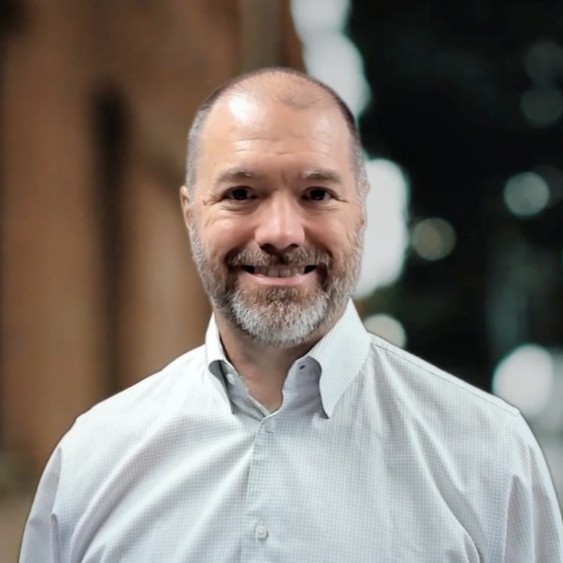
Mark Richards is Senior Manager at Omnissa - formerly the end user computing division of VMware, now an independent company with over 30 years of experience designing and implementing endpoint and virtual desktop solutions across higher education and public sector.
Episode Highlights
- AI cut ICare research from an hour to a minute - and freed 150 student meetings
- “We don’t lead technology, we lead people that lead the technology” - Dave Weil
- Virtual labs turning physical computer rooms into classrooms at community colleges
- The Four Rights: right person, right seat, right things, right time
- Patch management is still your biggest security gap in higher ed
Whenever you’re ready, there are 3 ways you can connect with TechTables:
1. 📬 The TechTables Newsletter
Thanks for reading TechTables! Get early access to new episodes, insights, upcoming events, and more — straight to your inbox.
Join now: https://www.techtables.com/
2. 🤝 Join the TechTables CIO Communities for Local Government
A private, vendor-free network where public sector CIOs share what’s actually working
Members get:
- 2x National Retreats (facilitated by Info-Tech Research Group & Gartner)
- 4x CIO Virtual Roundtables
- Monthly “Behind the Mic” intelligence briefing doc
Apply to Join → https://techtables.com/communities-local-government
3. 🤝 The Better Together Virtual Series
The narrative-driven series bringing together industry partners and public sector CXOs. Discover the compelling stories that unfold when we stop working in silos and start building together.
»»» Email joe@techtables.com to learn more.
Platinum Newsletter Sponsor:
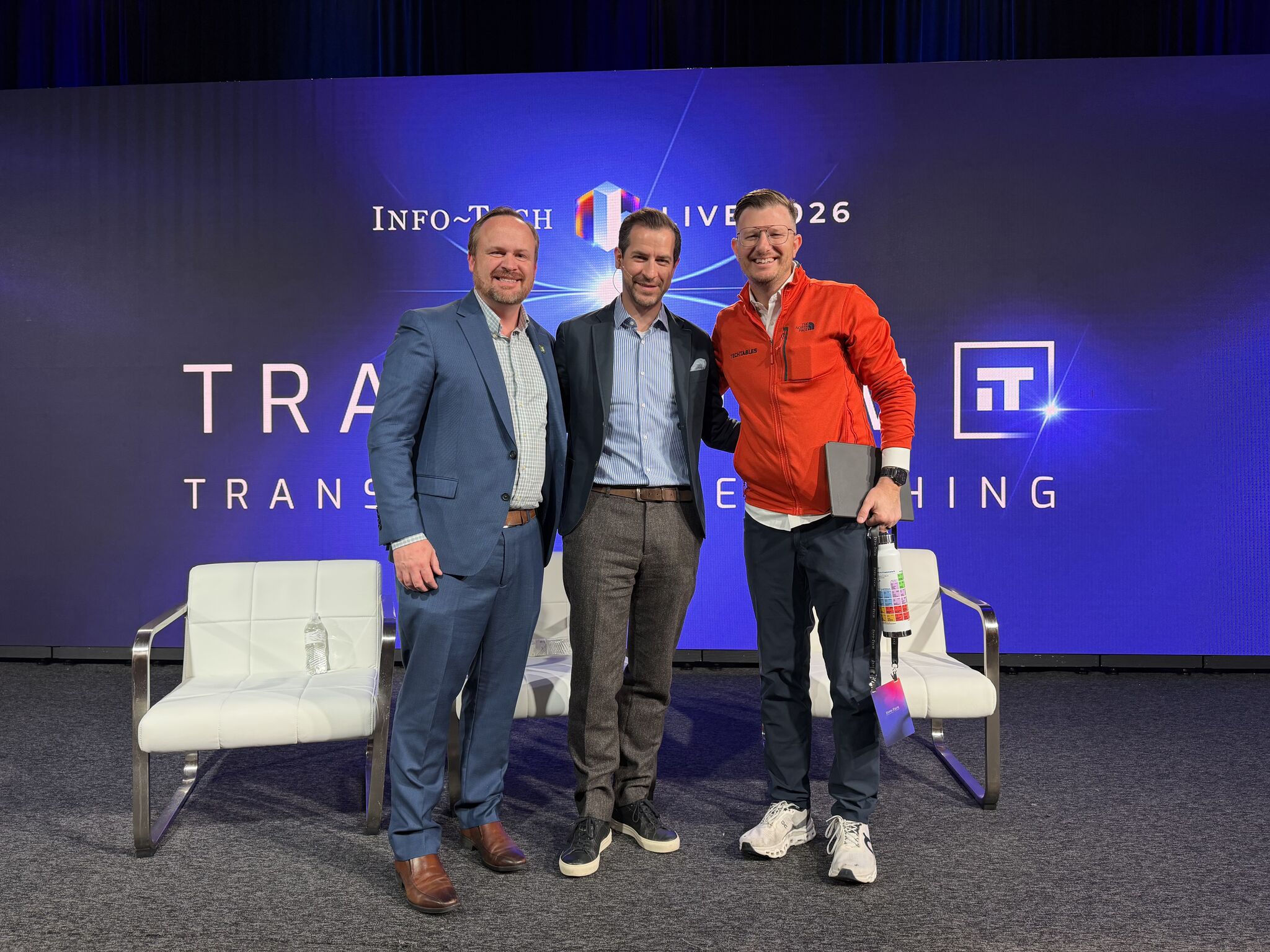
Missed out on Info-Tech LIVE in New Orleans? No worries, you can join TechTables & Info-Tech Research Group at Info-Tech LIVE 2026 - Las Vegas (June 9 - 11, 2026)!
Gold Newsletter Sponsor:

SentinelOne - Learn how SentinelOne empowers this state to stay secure.
Verizon Frontline -The advanced network that keeps first responders connected when it matters most.
Carahsoft - The Trusted Public Sector IT Solutions Provider™, supports government agencies and education/healthcare markets. Contact your Carahsoft rep today to access special discount pricing exclusively through the TechTables + Carahsoft partnership!
Guests
Episode Transcript
In this episode, Dave Weil from Ithaca College and Mark Richards from Omnissa explore how a small liberal arts IT team built an AI tool that freed up 150 at-risk student meetings - and why human-to-human connection has to stay at the center of any real AI strategy.
Joe Toste: [00:00:00] Welcome to the Public Sector Show by Tech Table. Super excited to have you both on both brand new guests.
Joe Toste: We'll have a ton of fun. Dave, let's kick off with you short intro.
David Weil: I'm Dave Weil Senior Vice President of Strategic Services and Initiatives at Ithaca College.
David Weil: Been there my whole career, but I think we'll talk a little bit about that a little later. I have a portfolio that includes HR, IT analytics, and AI.
Joe Toste: And we will definitely unpack that on this episode. Mark, quick intro.
Mark Richards: I'm Mark Richards.
Mark Richards: I'm the Senior Manager at Omnissa to put this out a little bit. Former end user computing division of VMware. We got spun out from Broadcom when that was purchased and we're our own company. So I like to say that we got 15-year-old technology with the 1-year-old name. What I've been doing in this space for over 30 years designing, implementing architecting solutions and been in the education space for quite a while as well.
Joe Toste: So Dave, we're gonna kick off with you. When we met on our intro call we talked about leadership matters. Yeah. And which is also in your headline on your LinkedIn profile. And you had a quote, I think I got it right, but. You said we lead people, [00:01:00] we don't lead technology, we lead people that lead the technology.
Joe Toste: Tell me a little bit more about that.
Dave Weil: Over the years I really, I believe so much that leadership really does matter. You could have two organizations with great people in it, but if you don't have the leadership, you're not gonna accomplish what you want to do. You're not gonna have people that are motivated, you're not gonna have people that stay, things like that.
Dave Weil: So I really believe leadership matters and the corollary to that is if i'm an IT guy, or at least that's where I grew up in. But especially as I've gotten up higher in the organization, I really realized I'm not leading the technology, I'm leading the people that lead the technology.
Dave Weil: 'cause it's people that make it happen. And it's a different way sometimes that we need to think about our roles.
Joe Toste: Yeah, I really like that. As a quick follow up. So there was a book that you had mentioned, the Power of Mattering. Yeah. And how it came about was I coach high school basketball and I talked about how, it was interesting for me, got this team they were losing and then suddenly they started winning when all of the kind of human [00:02:00] aspects when the team started to buy in.
Joe Toste: And so you had mentioned that there was a chapter in there of a hockey coach who inherited a losing team. Same kids, different coach created a culture of mattering where they started winning. Walk us through how you've applied that mattering concept to your IT team of 65.
Dave Weil: I really believe in connecting the work we do with those we serve.
Dave Weil: And so I look for every opportunity possible to bring the students, which is , they are our why into the equation. So create opportunities for students to meet with our staff. We actually have, if you are in our offices. Our hallway has all these portraits of students that used to work for us that are now out in the world doing great things, working for great companies, and each one has a quote about how their experience working for us really made a difference to them.
Dave Weil: And so the idea is so that everyone in the organization, whether it's a frontline service desk person, a database administrator, security engineer, they can see how they have a piece of that puzzle. That really [00:03:00] makes a difference and it really matters the work that they do for our students.
Joe Toste: So Mark, you had told me that you had tried to leave public sector multiple times, but keep coming back. Tell us about what keeps pulling you back. What's your why for coming back and serving in public sector?
Mark Richards: You're exactly right.
Mark Richards: I think everybody gets in the public sector at some point in life, feels that they're not getting well. We're the Rodney Dangerfield of the industry, right? We just don't get the respect. And at some point you're like, I wanna get a little respect. And I think I actually told Joe I had an opportunity, I got out of public sector for six months and it was the easiest job I ever did.
Mark Richards: Because I was dealing with. Companies that didn't have as much regulations, didn't have to deal with, all the other parts of budget crisis can only buy at certain times of the year. And I found that it was really easy and I told my director that and he just kinda laughed. That lasted six months because an opportunity opened back up in SLED.
Mark Richards: So I, I came back into it, but it really does stem I think from the beginning. So my father was a, on the college board, I grew up in Danville, Illinois. He was on the the area Community college [00:04:00] board. So I was ingrained with that. Education has always been pushed. He was the first one in our family to get a degree.
Mark Richards: He was a veterinarian, got it from University of Illinois. So that was always pushed there. And then when we turned around and looked at it, he also worked with the former governor of Illinois, the one that didn't go to jail. Jim Edgar, unfortunately, he just passed away. But part of that, so when you start looking at it is that's where I keep gravitating to.
Mark Richards: It's really giving back to everybody, right? It really is, and I think that's real. What public sector is really about. It's not giving up your life, it's giving back and making a difference that's there and how can we do that? So if there's any way that I can help solve problems for yourself or anybody else, that's what we want to do.
Mark Richards: That's why I keep coming back.
Joe Toste: So that's you. Now let's tie it to Omnissa. What's the mission of Omnissa for serving in Higher Education specifically?
Mark Richards: That's a great segue into what we're trying to do. So when we really look at it, education is a huge part.
Mark Richards: A lot of people look at it from a technology is, hey, if I have a device that you can touch and feel, they put it in front of you in K-12 and it works its way up, and then you [00:05:00] use that later in life. We're behind the scenes type of technology, right? We bring security to device management put patch management physical labs, going to virtual labs.
Mark Richards: We do a lot of things like that. So what we're trying to do is understand what some of the challenges you have and then build a solution around that without breaking the bank, right? We wanna make sure, and it's not about rip and replace, it's about how can we integrate, with what you already have? So we talked to a customer just the other day or come school just the other day, and they said.
Mark Richards: We're growing gangbusters. We don't have any space. How do we get space? That's where virtual comes in space. So get rid of your physical labs, turn those into classrooms, which gets more students into the university and allow you to still have that teaching from anywhere and those type of things.
Mark Richards: So you, from all sides. But that's really what we're focused on. We have a whole division that's just public sector and just SLED specific now and this is where we're moving. So we have products that are just. For education and we try to fine tune them based on like feedback that you would give us going, ah, I sure wish you guys did this and not [00:06:00] that.
Mark Richards: Let's hear it. Let's bring that so we can make sure we, we are hitting what you need.
Joe Toste: And we're gonna talk about so just the AI augmenting the human piece. And so a great segue. So Dave, your team built something called Nebula, an AI tool for your ICare team. So before I go on that first, what is ICare?
Dave Weil: So at Ithaca College, IC, we have a team of professionals. They are essentially social work. So they work with students that are showing signs of distress. So maybe they're not showing up to class or they're having challenges with their roommate or other things. And historically those things add up and sometimes you, the students would end up leaving the school because they weren't fitting in or they weren't failure.
Dave Weil: So the ICare team was formed a number of years ago as a way to work with students that were in this situation well over time. They so let me back up there for a second. So anyone on campus, if they see a student who's struggling, can make a referral to the ICare team, and then the ICare team [00:07:00] triages those referrals because obviously, the, some are more concerning than others and the concerns that.
Dave Weil: The students they were most concerned about would then get referred to actually meet with a ICare counselor. And then our studies show that if those students do have the meeting, they will generally retain at a higher level than students that are referred, but they don't end up meeting with the ICare professionals.
Dave Weil: So all that sort of set up the scenario where ICare was not able to meet with all the students that should have had the conversation. So they approached IT and they said, Hey, how can you help us meet with more students or with this problem? So that's the setup.
Joe Toste: So you had also mentioned to me that it helped free up 150 students last academic year where who wouldn't have gotten that face-to-face support that they would've gotten otherwise?
Dave Weil: That's right. Yeah. Yes. So in talking with the ICare team, it turns out that they would spend up to an hour a day doing research. So if you were [00:08:00] referred, they would look at your course schedules, right? They would look at, your academic record activities you're involved in, things in your residence hall and all that, to, to build an idea of who you are before they would have the meeting.
Dave Weil: That took an hour a day, and so we used AI to actually get that down to, a minute. And so across the ICare team, that resulted in the savings of an hour a day, which resulted in them being able to see 150 additional students this last academic year. And as I said, we have the statistics about, what that translates into.
Dave Weil: We believe that we had eight additional students retain as a result of those additional meetings, that's eight additional students that are able to complete their college career. And move on to other things. And I think that's a win.
Dave Weil: And it's a great use of AI because it's not that the students meeting with AI, but the AI is allowing better human to human.
Dave Weil: And at Ithaca, that's really what we're looking at in terms of use [00:09:00] cases for AI. It's like we don't want to take away from the human, and that's a key part of who we are. It goes back to the leadership conversation we were just having. But, this use case in my mind, it's just, it's perfect because it actually enhances the ability to have these important conversations.
Joe Toste: Yeah. There's that real, what is the business problem? What are we actually trying to solve here? Versus just slapping AI a sticker on every,
Dave Weil: sometimes when I start the story, people immediately go, oh, you created an AI bot that the student who was having trouble with could then talk with.
Dave Weil: To, resolve their problem. It's no, we wanna actually have them meet with a human and have that that's huge by the
Mark Richards: way. That's huge.
Dave Weil: Yeah.
Mark Richards: That's awesome.
Dave Weil: So now what we're trying to do is we have this very successful, now we wanna scale this. So we wanna look at other offices across the campus that maybe are busy doing some things behind the scenes, taking them away from the human to human where we can, get that done with some AI tools, still have those, the [00:10:00] results of that go to a human to, interpret it and stuff like that, but then frees the people up to have more interaction with the students.
Mark Richards: I can see that pull, pulling that into the guidance, right? If I'm a student going in there and absolutely you can look beyond just what classes did I take and what do I need to take?
Dave Weil: Yep.
Mark Richards: That,
Dave Weil: advising that's gonna
Mark Richards: push me towards a career versus,
Dave Weil: even like student financial services where, you come in and have questions about your bill or whatever the amount of time they have to do researching your situation or whatever that information could be there or quickly.
Dave Weil: So I, I think there's dozens and dozens of use cases across. Yeah.
Joe Toste: Yeah. I'd love to hear Mark. Are there any use cases that are per percolating top of mind that you just said? Guidance counseling.
Mark Richards: Yeah. I look at those type of things and exactly right is AI is a great tool and obviously we're all talking about it.
Mark Richards: And I'll give an example if that's all right. And you may be leading to this, so maybe I'm jumping the gun about son, but, so my son goes to Michigan State University and he is a history major. But he is a history major that doesn't want to teach.
Dave Weil: Okay.
Mark Richards: It's exactly, that's the exact same look I get from a lot of people.
Mark Richards: But he loves the research. Sure. I was asking him this summer. We [00:11:00] were driving back from campus actually we went up to do a visit and asked him about AI and he said, yeah, we really don't use AI in, in the history college. And I asked why. And he basically said I don't, I don't know.
Mark Richards: But when I talked to my instructors, they're really down against it. So I prodded a little more. We had a four hour drive and he basically came back and said with all the stuff that's going on in the world, we're afraid people are going to change history. So they're looking at AI as a negative because.
Mark Richards: Any one of us can go erase history by putting it in a data lake that says this is what comes out. So I thought about it and I said, but what if you're the content creator? Yeah. What if you're the biller and Joey's not coming for your job?
Mark Richards: But when we talk about it, it's really type of that.
Mark Richards: So I said, so if you created, you're doing the research. If you create the research yourself, and I don't know if you've looked at Notebook LM and how that works. So I had him take one of his research papers, put it in Notebook, LM and start looking at it from that. And all of a sudden he got it, but he didn't get it quite away.
Mark Richards: He, I, he was still argumentative with me as children can be, and, I basically, last word was, if you don't embrace it, you're gonna be left behind.
Dave Weil: [00:12:00] Yeah. It's definitely a debate we're having on campus is how do we prepare our students for an AI work workplace? And there's a lot of debate about should faculty be allowing students to use AI part of their coursework or not. My position on it is I think we have to talk about the pros and cons. We have to educate. I think that's part of the role of Higher Education is to definitely ensure people understand the issues, just like your son was saying. But I also think we have an obligation to ensure that.
Dave Weil: People who are graduating from a college or universities are able to use AI, understand AI, and able to articulate the difference in the value that AI brings and the value that HI brings- Human Intelligence. And if we can articulate that, why a human in this role or position is better than AI, I think we're all gonna be better served.
Mark Richards: One of the things that, I thought about this as well. He we're with Catholic family and he was talking about, having some saints and stuff like that. And then, his, some [00:13:00] friends little brothers going through school and they have to pick the saint they have to go through.
Mark Richards: And I'm like, he goes, yeah, there's some chat bots out there about there, not chat bots, but GPT bots that are out there. And I said what if, let's take this from the history side. What if I took that and did the study and put it in place and you as a fourth grader can have a conversation with that saint.
Mark Richards: That's right.
Dave Weil: Exactly
Mark Richards: right. And he just said, huh. And I said, what if I did that with anything, the battle of 1812. Historical. The Battle of the Bulge, you pick whatever one you want.
Dave Weil: Or you could even say what happens if the other side won the battle? And project that out?
Dave Weil: And I think, again, we don't wanna take it all at face value. We wanna question and analyze it, but. I think it can really open up possibilities and, there's a lot of that's been written or discussed about the ways you use the AI tool and I think one of the best use, use cases for it is brainstorm.
Mark Richards: Yes.
Dave Weil: So hey, how would this work? Or that work? But you still then use your cognitive abilities to refine and make it your own.
Mark Richards: Yes.
Dave Weil: Yeah.
Mark Richards: Yeah. What is it? 30 years ago, 25 years ago when Google came out and everybody goes, oh my gosh, the world's [00:14:00] done. Because all you can do is search something.
Dave Weil: Yeah.
Mark Richards: That's where we're with AI. Google changed the world, but they didn't change the world. I learned how to search better, which made me find things better. It made the
Dave Weil: world smaller.
Mark Richards: Made the world smaller. Correct. Yeah. And AI is gonna do the same thing 'cause it pointed me the right direction.
Mark Richards: So I wasn't banging my head. I was able to use my head for the right way.
Dave Weil: The other piece. is And we're like, Joe's not here anymore, right? Yeah. I didn't tell the other people I should just leave it
Joe Toste: pod.
Dave Weil: But the other thing about AI is you're using AI. You're saying AI. You're saying AI. I'm saying AI, but AI is such a broad term or broad field. There's so many different aspects of it, and I think it's really important for us to take a step back. And be more nuanced in about, what AI means.
Dave Weil: A lot of the examples you're using is Generative AI, chat bots, right? The Nebula example is actually AI that's making use of institutional data, and it's not a chat bot. It has programming, predictive programming behind it. There's a lot that's being done with privacy [00:15:00] and de-identifying information before we're sending it to the large language model and all of that, it's still AI. And then, we actually been using AI for a long time. Machine learning predates November, 2022 when Chat GPT 3.5 came around the world. So my point is I think we really have to get more nuanced in our conversations about AI. Yeah.
Mark Richards: It's interesting 'cause at, unless we use AI as well. Everybody does. Yeah. But ours is more Agentic. So when we really look at it, we wanna look at it from a device. And this is one of the use cases we do, we talk to Pima College down in Tucson area community college.
Mark Richards: One of the things they looked at is, do I refresh laptops and devices for faculty every three years? But what if I can avoid that and how do I avoid it? It's all about user experience. So if I have something that's looking at the device to understand what it's doing and how your experience is on there.
Mark Richards: And then use the data and the telemetry from that and tie it into maybe a CrowdStrike, maybe some other site, and really look at it. I can determine, did you have a [00:16:00] vulnerability that needs to be patched? And because you have application A and B, actually the risk score is a little bit higher. How do I resolve that and do I want to automate and have a human involved or just go fix it itself?
Mark Richards: And at the same time, if your machine's broken, we're gonna replace it. But if it's not. I've got a Mac that's five and a half years old. Guess what? I don't need one. Do I want one?
Joe Toste: Sure.
Mark Richards: Everybody wants one, right? It's Intel based Mac. It works perfect. In the feedback we get from our company looking at it says, you got more than enough power that's running on that thing.
Mark Richards: It's probably gonna last you another five years as long as the OS is supported. But those are the type of things, like you said, it's not just pure AI. It's, we're looking at it from that side, and we're not stealing data. We're not taking data. It's data that you already have provided. Yeah. It's your metrics.
Mark Richards: We're just looking at 'em a different way and letting you define what you wanna look at.
Dave Weil: You use the AI tool to do that. And I so on campus probably across the globe, but at Ithaca, there are people that are saying like, no, you, we don't want to use AI. AI is bad. For a number of different reasons.
Dave Weil: And I think those are good conversations that we [00:17:00] have. But again, it needs to be more nuanced. And I think, there, there are some, there's definitely concern about intellectual property. There's concerns about the environment and their benefits. We have, students that are able to continue their college career because we were able to use these tools.
Dave Weil: So we wanna pull us back on script here, Joe.
Joe Toste: There is no scripts. That's the secret. No, this is great. I love that the two of you were. Engaging. Just kicking off, again, going back to Pima College, also Tarrant County Community College. If you just wanna talk more about, what are you're seeing with those customers across the country from a missive point of view?
Mark Richards: Yeah. I'll talk about Tarrant. I know that's one before. So they have several hundred thousand of students, about a hundred thousand FTEs. But when we look at 'em, community college, so a lot of 'em are reeducating. So they may have lost their primary job or they wanna switch careers, but they still need to work.
Mark Richards: So they have a nine to five type job, or, swing shift hours, whatever. It's, so you're not your traditional student, so they're not necessarily coming on campus every single day. So you have to think outside how do I [00:18:00] still do this? Do I turn into. An SNHU where I'm just totally online and hope I get a good education, or do I go to an education site?
Mark Richards: What they've done is they've taken virtual desktops into virtual labs, and when you enroll in a class, they automatically give you the application or desktop that you need. Therefore, you can consume that from home or during your break on shift, whatever you have, so you can actually get educated instead of forcing somebody to come back and sit on campus, they may only be taking two classes.
Mark Richards: That semester versus a full load because that's all they can either afford or have time to take. But this allows them, it also for lower income doesn't force you to go buy a big beefy computer. If I have a Chromebook or an iPad or anything browser, that gives me access into maybe an engineering application and that's gonna allow me to be retooled.
Mark Richards: So we do that with a lot of education that's out there, but. Specifically that's what they did. And before they were having people drive all over the Fort Worth area, which, if you've been there, traffic's not the easiest. And do you really want to get done with your [00:19:00] shift at six 30 and now hope the lab's open by nine 30.
Mark Richards: You're gonna get there at eight 30 and get an hour. Or I can just go home and work till midnight.
Joe Toste: Does Ithaca have any satellite campuses or anything like that?
Dave Weil: We have out in la where a number of our communication students go. And we also have one in London. And so there are a number of students that go over to London every semester for that.
Dave Weil: Okay.
Joe Toste: Yeah. The reason I'm thinking about that is again I was having this conversation with Joe Way, who is now at UCLA, before he was at. USC and there's just only so much space in Southern California to house kids. Like you just hit the capacity limit. And even same thing with his buddy and they came on yesterday, BC Hatchet, who's at Vanderbilt, and, what does it look like?
Joe Toste: What does that student experience look like? How can you deliver the Ithaca College experience in LA or in London, right? And technology's gonna be driving a large part of that. I'm curious, do you do a lot of work with colleges that have those satellite campuses where you're working with them to help deploy?
Mark Richards: We, we [00:20:00] do. There there's usually two types, right? There's the systems like the UT system that. There's, a large number people think of CUNY like the, city universities in New York and there's campus all over, but they're independent colleges or universities inside the system.
Mark Richards: So that's one way. And the other is exactly how you're stretched internationally or have programs. We worked with Carnegie Mellon one time and they have places in Rwanda, so they're teaching classes there. The problem is suddenly we get with international law on software, right? And can I actually have that software running in that country?
Mark Richards: So when you turn around, yeah, we deal with a lot of 'em, but that's, I don't wanna downplay the power of what a remote desktop or remote application is. A lot of people go, ah that's so 2008, right? No it's still valid, especially in education today because I need to give secure access to somebody.
Mark Richards: We have the same thing where we have seven satellite campuses in, in China, or they have a sister school over there. The state government is known to come in there and just confiscate all the hardware. So you put a data center in Singapore and you're running everything out of there. And then Singapore has better laws with the US and now you're not [00:21:00] worried about export laws and you're not worrying about all of that.
Mark Richards: So we bring that in. But primarily, one of the things I would say is because of where you're at or, and I'm gonna use your example, is LA and London, right? We would allow you to be in multiple tenants. So instead of building three separate systems to try to come up with a solution, it's one, it's at the cus.
Mark Richards: So you have it right and you can deploy it and or not deploy it, you would just create we call it an og but just an organizational unit out there. And we'll do role-based access in different co compliancy. So in London there might be different compliances based on Brexit and some of the laws that are there.
Mark Richards: In California, you might have some state laws that require, especially education. We can manage those separately. But then you don't now have to create three different management teams. Keep your IT staff. Still at the 65 you have. And they can manage those really easily, but inherit what they need. That's really what we do.
Mark Richards: And in systems would be the same way. Each college
Dave Weil: independent and they that from the student experience it's one student. So they have a very similar experience no matter which campus they are on. So like for us, our students go out [00:22:00] to LA for six months. And so they've already learned all the systems and everything at Ithaca.
Dave Weil: And so you want them just to be able to go out there. It's oh yeah, I'm still at college. So the experiences are the
Mark Richards: same. And it's what I talked about with Tarrant. If they were to go to California, we can move their device inside of our platform and they would inherit any new policies or security they need, but more importantly, they would get the applications that are required to take the courses there.
Mark Richards: So you're not now having the IT staff try to shoehorn it in. It's just there. And when they come back, maybe those applications disappear. And hopefully they don't drop out where you need to take all their apps, but if they do, you go to LA you never know, you might find the lights and stay here.
Mark Richards: Yeah,
Dave Weil: that's
Mark Richards: right. And
that's
Dave Weil: right.
Mark Richards: Give it up for fame.
Joe Toste: So jumping back and bringing the leadership piece back in, so you've got your team I'm curious, there's a lot of moving parts you've got, it was HR and then what were the other ones?
Dave Weil: HR, IT, Analytics and AI
Joe Toste: So there's a lot in there. Yeah. How are you looking at building the next leaders who are, you can't manage everything yourself, you're only one human. What does [00:23:00] it look like for you building out the teams at, on the IT side at Ithaca to help, really drive the technology initiatives?
Dave Weil: It's about the people and I think, I always talk about what I call the Four Rights. It's having the right person in the right seat, doing the right things, at the right time. And there have been times in my career when I looked at an individual and I was thinking, they're really not working out.
Dave Weil: And I was getting ready on at least two occasions to go through the process to get ready to dismiss them. And then we realized that it's the last effort. We moved into a different seat where they had to do something else. And, they turned out to be some of the best employees we've had because they were just in the wrong seat.
Dave Weil: And I think, as we're building out our teams and thinking about leadership and everything, so I wanna make sure I have the right leaders in the right seats through the right things. And then treat them as partners. And I also very firmly believe in surrounding myself with people that have skill sets that I may not have or, so we balance each other out.
Dave Weil: [00:24:00] From there. Yeah, you need to have the right people and then let 'em fly, let 'em do their thing.
Joe Toste: Yeah. Are there any leadership programs that you've gone through or is it books that, what's shaped your leadership growth?
Dave Weil: Honestly a lot of work at EDUCAUSE I went through a number of the leadership institutes and then more recently in my career I've actually helped EDUCAUSE develop their Senior Director Institute and most recently the EDUCAUSE Leaders Academy which is their premier professional development program for people that are right on the cusp of CIO. And it's a seven or eight month program hybrid. But the best secret is, as you start developing those, it's actually great professional development for yourself.
Dave Weil: You have to think about what is leadership? And with senior director, I was literally given a blank sheet of paper and they said, it was a small team of us. And they said, what should a senior director leadership program look like? Here's a blank sheet of paper. Do it. In a way that's cool.
Dave Weil: Another way it's intimidating. It's oh my gosh, what is, [00:25:00] what do you need to know as a leader and stuff. So we spend months talking about leadership among the faculty that were developing it. And looking at the skill sets that would be needed.
Joe Toste: Curious around, you meet with a lot of folks around the country, a lot of leaders. What are some of the qualities that you see in some of those great Higher Ed institutions? On the leadership side?
Mark Richards: I think a model right here is what David had said. To be honest, when you really look at it, yeah, A lot of times people come in and they wanna put their name on, on, specifically university. So they come in there and they say, we are doing this, but they haven't listened to the existing staff. They're there, they haven't looked to see what tools they haven't done anything.
Mark Richards: So we're gonna get over there, but we have no way to build bridges to get there. So when you come in there, you alienate your team already there. You don't, didn't surround yourself with the right people. So I'm tearing back what you had said in reverse order, but that's really what I, what we see is what I see is out there.
Mark Richards: Somebody who's open-minded, right? Learning, always wanting to learn about new technology, but not wanting to be on the bleeding edge. There's a time and a place to be in bleeding [00:26:00] edge and there's a time to be on the leading edge and I find a lot of education wants to be on the leading, but on the backside of the leading edge, right?
Mark Richards: I don't necessarily wanna be in the front of the leading edge because what ends up happening is. All these places here at EDUCAUSE they have widgets or connections to go into it. And they're not fully baked yet because it's the leading edge. So if I wait just six months even all of a sudden that one gap that's there comes in there.
Mark Richards: So I think it's really important for the leaders to understand who's on their staff, give them the rope to hang themselves and then understand what the university is really about. Vision is huge. You can be a vision person and talk about where we're gonna be in 2036. But if you don't know how we're gonna get there, that's not a vision.
Mark Richards: That's just throwing spaghetti on the wall.
Dave Weil: Yeah. And the other piece something you said reminded me of it is alignment of values and and mission., I talked about our why earlier, but that's really all part of, what are our values as an institution and then, how do the leaders envision, embody that in their work?
Dave Weil: [00:27:00] And there's some, or well, every organization has values and has, mission and you have to find people that can help help you fulfill that vision.
Mark Richards: It's a really competitive space for a student, right? Having recently had two kids going through and one graduating now is people don't understand that what the university values are, what the college they want to go into values are.
Mark Richards: Actually makes a difference, right? It's not always, Hey, you've got, offers to these seven schools. Great. And many times the kids choose the one that you don't expect them to because it's, I really like that program they're doing, and I like what they're doing. I like what they had to say and I believe what they're doing versus, Hey, that's a great big school and I want to go to this one.
Dave Weil: And, so the example, the AI example I used earlier about the Nebula, the human to human, that is one of our core values. The president convened a presidential working group on AI, and one of their charges was to develop guiding principles for our use of AI and right up top, like the very first bullet.
Dave Weil: Is we value humans. Not the [00:28:00] technology. I'm paraphrasing, but that's the essence of it. Now, this is the guiding principles for the use of AI right up front. It's about the humans. Not every institution would do that, right? Other institutions may have a much larger scale, or they may be a more technical place, and so their values and their guiding principles are gonna be different.
Dave Weil: Not one's not right, one's not wrong. But you want that alignment because if you are someone who you know, wants more of the technology bent, maybe that's not Ithaca. But if you want the human to human, maybe that is Ithaca.
Joe Toste: So as we start to close this conversation out
Joe Toste: we covered so much and then I should say, you guys covered so much 'cause I just hung out with you for this afternoon. This is great. I'm curious, we, one of the things we had mentioned when we, me and you talked were, was that, Ithaca is not like ASU, it's not like a giant system.
Joe Toste: So I'd love to hear from you what do you think some of the, the secret sauce, the sauce that makes Ithaca special. On the IT side being, much smaller, you get that intimacy, you get that high [00:29:00] relationship. As we head out, love to hear a little bit more on that front.
Dave Weil: So in the IT organization we value within reason we value experimentation or culture of play as I call it. So like when ChatGPT 3.5 first came out. I challenged the entire division. I said, play with it, experiment with it. Let's explore it and then let's pilot things. And so that's part of our culture.
Dave Weil: And that actually creates a environment where people feel that they have permission to explore. And I think every institution does that to some degree, but that is part of what it's about. And then again. The connection with our why- the connection with our students, we really incorporate students in, in so much of what we're doing.
Dave Weil: I'm really excited. We're about to launch an internal internship program where the computer science department is gonna be partnering with us and sending us students to actually do internships. We have student employees, but this is a little different.
Dave Weil: This has the academic component. And one of the first things we're gonna have [00:30:00] 'em do is build virtual environments for us and some other things. And so while it's great win for the students, it's also a great win for our IT staff because they get, again, that connection with our why. So I, I think that's some of our special sauce or secret sauce.
Joe Toste: Culture of play. Yeah, that's great culture of play before you even get to, ' cause then you go down the rabbit hole, right? It's what's the governance? What does this look like? Yeah. You like, let's, let's have a culture of play and here are the guardrails.
Dave Weil: Yeah, no, you need some of that.
Dave Weil: And I've done that. There was some feature that came out. I said, we're just not gonna play with this, or we're not gonna play with it on institutional machines, or we're not gonna do that because we wanna do it responsibly, but. But overall it's like we need to explore. And so then someone comes say, Hey, I got this really cool use, or I figured out how to do X, Y, or Z and we were doing something and I've been stopped even here this week.
Dave Weil: People, are you really using AI in that way? It's yeah, the guys, they figured out they were playing and they figured out this connection and then that allowed us to [00:31:00] do this.
Joe Toste: So you had mentioned earlier, before we get to your wrap up, you had mentioned Google Notebook LM.
Joe Toste: So I have been using it quite a bit. I if you know anyone over there, I know they've got a save to note, but they gotta save the chat.
Mark Richards: Same thing, I walked over yesterday and said where's the microphone button? I have multiple ways to record audio, but I have an app, and if I'm in a classroom, why can't I just click it, record it, and now I have the actual recording plus the AI chat that it built and all the power that's there.
Mark Richards: And they're like, huh. So sometimes the most simple things are the ones that you forget about, right? It's,
Joe Toste: yeah. I actually, I found myself using the voice exponentially more than typing.
Joe Toste: Anyway, we close out. Yeah. I'd love to hear just from you any kind of non-obvious insights that you see across the portfolio at, Omnissa on the Higher Ed side. Anything that really stands out to you?
Mark Richards: We're here talking about AI, but security.
Mark Richards: Many years ago, I'm gonna say 25 years ago, I was working with an individual at Auburn, and he said this was his security pitch. And that was, I'm not worried about the [00:32:00] outside world coming in. I'm worried about the students going out, and he's because they're the ones that are learning faster than everybody else, and they're the ones that are doing this.
Mark Richards: So when we really start looking at it, as you said. Play is great, giving them the freedom to do things, but governance in what's around there. So security is a huge play. And we all know that, right? It's the obvious thing. But when I take AI and security together and start building that, so that's one of the things I think that hasn't really been done.
Mark Richards: Everybody around here has a product or something that says, oh, we do this, but what goes across where I can integrate between multiple products holistically, look at it, and then ask you like an if then this, that. How do I want this to be remediated? Do you wanna remediate it on your own or do you want me to take action on that?
Mark Richards: Or do you want me to give half of it to Joe, half of it to Wayne, half it to somebody else and let it all go? I know that's multiple halves, but it's kind of unit it out there. For us, that's what we're looking at. We're looking at, let's get a platform that's out there.
Mark Richards: The platform can integrate with existing or replace as needed, bring everything that's there, but it really is a holistic view. [00:33:00] The way we look at AI on our side, it really, as I said before, it's part of the data that you already have of your devices and people that are in there. We're not taking it from anywhere else, but if you want to feed data into it, we can ingest that and then turn around and say, let's go ahead and do this, and this with it.
Mark Richards: That's out there. So security focuses is a big part and people don't think that patch management, security, oh no, it's right. Patch management's the biggest security, right? Yeah. Yeah. We talked about earlier with somebody about QR codes. So if I have a device and I go scan a QR code, should you scan a QR code?
Mark Richards: I mean we say no, but it really makes paying something at a restaurant really easy. It makes getting information really easy. But we actually were at a conference one and we had a QR code and when you scanned it, it came back and said, gotcha. And then it had a link there and it was like, learn more about, fishing is smishing and all those good, wonderful things.
Joe Toste: On that note, actually, it's really funny. I was driving here in Tennessee, I've been here the last week or so. And there was a QR code on a sign, and it was like, do you wanna leave California? And I like, took out my phone and I was like, I definitely have listened to a cybersecurity thing.
Joe Toste: I am not gonna scan this. [00:34:00] I'm gonna put my phone back in my pocket right now. So anyways, thank you for any, do you have any, is there anything, something that was about to bubble up?
Dave Weil: No, I'm good. I'm good. But thank you Joe.
Joe Toste: Thank you for coming on the show. Appreciate you both. Thanks for
Dave Weil: having me.
Dave Weil: Thank you. Thank you. It was great.