
 Apple Podcasts
 Spotify
 YouTube
 RSS Feed
 #242: "We Thought We Had Playbooks" — Organizational Will and Disaster Recovery | Phoenix, Boise & ITRG
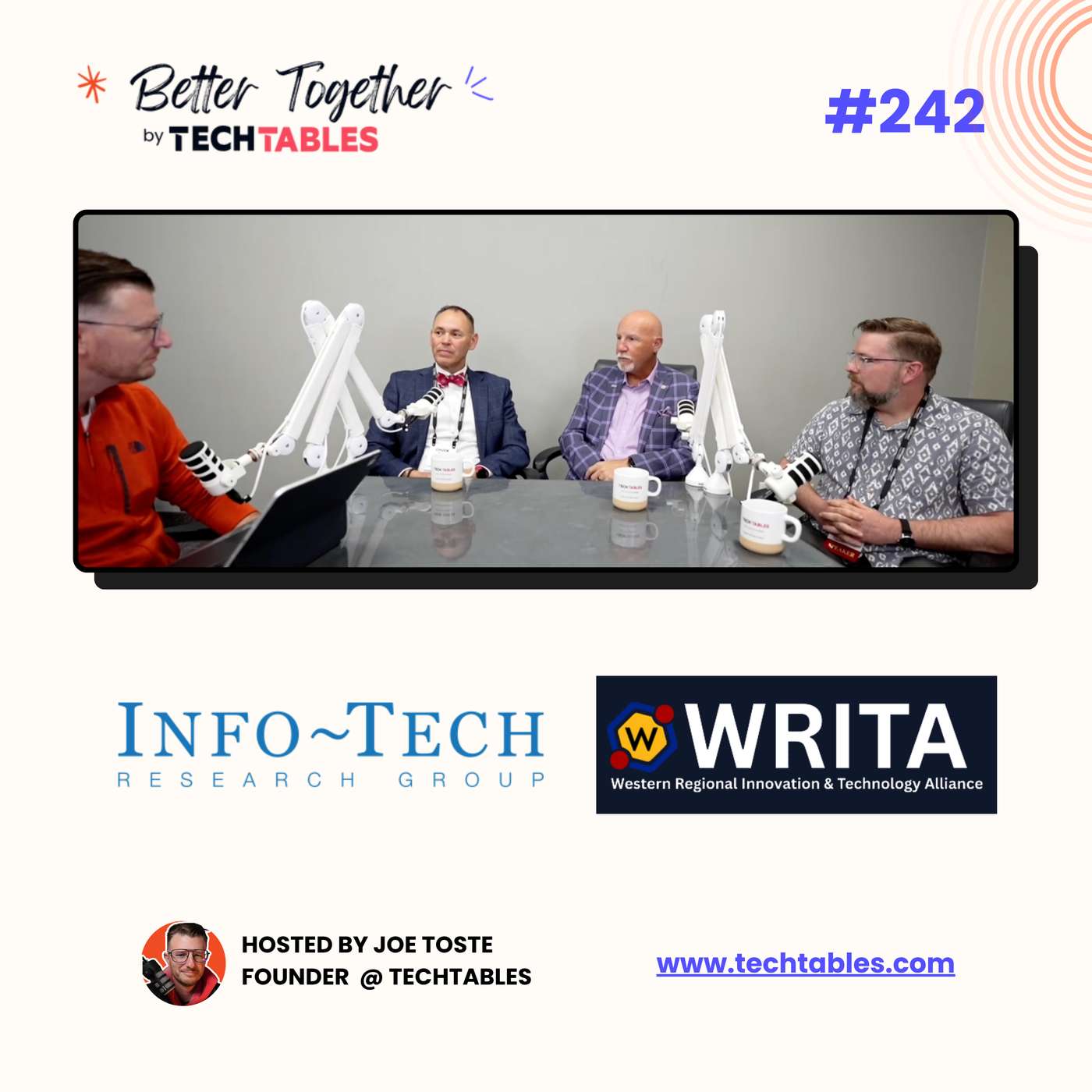
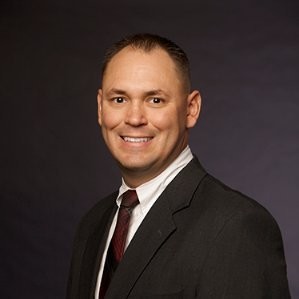
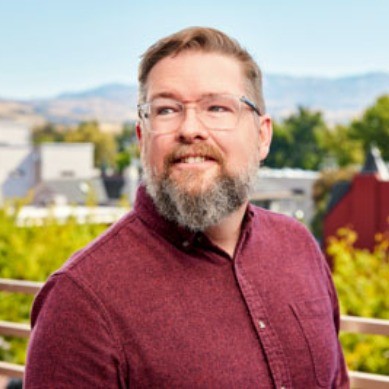
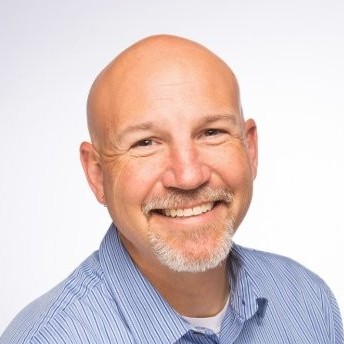
Earlier this year I sat down at the inaugural WRITA spring conference with Chuck Boyer (Assistant CIO, City of Phoenix, and WRITA Conference Chair), Nick Phillips (CISO, City of Boise), and Scott Magerfleisch (Executive Counselor, Info-Tech Research Group, former CIO, City of Greeley, CO).
A backup can be healthy.
A recovery can still fail.
Boise's infrastructure team brought in Info-Tech to build a real disaster recovery plan — not because anything had gone wrong, but because "we know what to do" was living in people's heads instead of on paper. 3.5 days in a room with IT staff only, no business units. They worked through 15 applications. The city has more than 200. What Nick took away wasn't about storage. It was watching application owners and managers realize that the thing they'd been calling a playbook couldn't be handed to someone else and executed.
Chuck has a phrase for why the necessary changes stall out anyway: organizational will. Scott's version of the same idea, applied to AI, is that you have to name the problem before you name the tool.
We also talked about:
- Why every ERP conversation turns into "while we're in here, let's redo the chart of accounts"
- Business relationship managers (BRMs), and getting to a department before they've already bought the product
- Public works asked the cyber team to come teach. So did the library. Lessons Learned.
Timestamps
01:48 "Hire for fit, train for skill"
04:58 Culture change dies the moment a leader asks the team to go first
10:22 Why Boise brought in Info-Tech to build a real disaster recovery plan anyway
12:25 200+ server-based apps. They got through 15.
13:04 "We thought we had playbooks. I don't think we truly did."
16:16 Technical debt, aging servers, and the organizational will it takes to touch them
20:24 "We can't do AI for the sake of AI"
22:46 The messy, ugly side of AI nobody's posting about on LinkedIn
25:44 Phoenix's plan: council meetings, agendas, minutes and resolutions, all in an LLM
30:05 Boise's BRMs
32:46 Public works asked the cyber team to come teach. So did the library. Lessons Learned.
36:21 A Colorado city sent over a million dollars to an attacker after a contractor's email was compromised
40:24 "You're not competing with your neighbor"
🎥 Upcoming Live Podcast Tours
1. 2026 IGNITE Powered by Info-Tech LIVE - Austin, TX - Sept. 17th-18th
If you’re an IT leader in Austin, Houston, or nearby, Info-Tech’s got complimentary tickets with your name on them (just DM me I’ll be there). IGNITE is getting past the AI hype and into the real questions CIOs are wrestling with: how to get your people actually using AI, what the shift from “employee in the loop” to “employee on the loop” looks like, and how to budget when the costs keep moving up.
→ Ready to join the conversation in person? Email joe@techtables.com
2. 2026 EDUCAUSE - Denver, CO - Sept. 30th - Oct. 1st
Returning for a third year in partnership with Carahsoft, and we could not be more excited. TechTables heads to Denver to celebrate the leaders, the stories, and the work shaping the future of higher education!
→ Ready to join the conversation in person? Email joe@techtables.com
3. 2026 TechTables Austin Live Podcast Tour - November 4th
We’re coming back to Texas for a live podcast stop in Austin, TX and we could not be more excited. TechTables heads to Austin to celebrate the leaders, the stories, and the work shaping the future of public sector!
→ Ready to join the conversation in person? Email joe@techtables.com
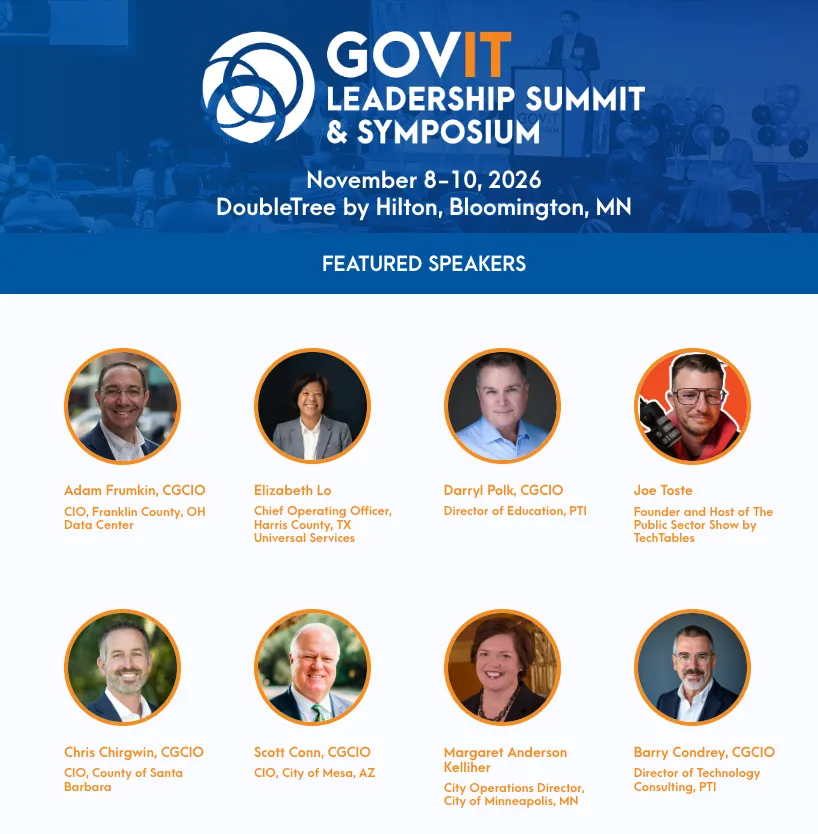
4. 2026 GOVIT Leadership Summit - Bloomington, MN - November 8th - 10th, 2026
We’re heading to the GOVIT Leadership Summit & Symposium in Bloomington, MN and we could not be more excited to celebrate the leaders, the stories, and the work shaping the future of public sector!
→ See the program & mainstage speakers: click here.
→ Attending? Let's record while you're there. Email: joe@techtables.com
Whenever you’re ready, there are 3 ways you can connect with TechTables:
1. 📬 The TechTables Newsletter
Thanks for reading TechTables! Get early access to new episodes, insights, upcoming events, and more — straight to your inbox.
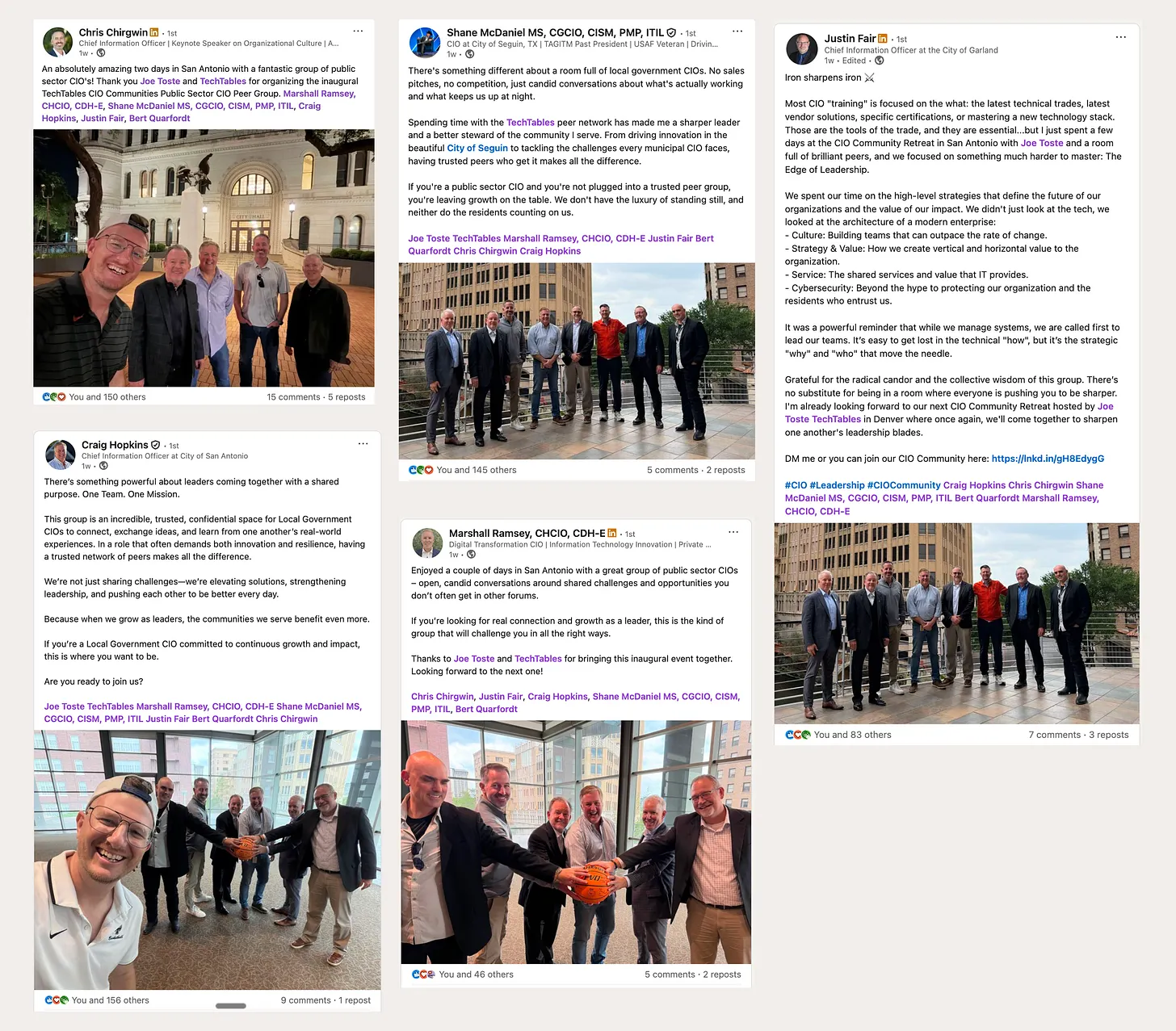
2. 🤝 You shouldn't make the hardest calls alone.
A peer advisory board of local government CIOs. Vendor-free, application only, twice a year in person — with 4x private forums in between.
See if you're a fit → https://techtables.com/communities-local-government
3. 🤝 The Better Together Series
The narrative-driven series bringing together industry partners and public sector CXOs. Discover the compelling stories that unfold when we stop working in silos and start building together.
»»» Email joe@techtables.com to learn more.
[00:00:00] Joe Toste: Welcome to The Public Sector Show by TechTables. Super excited to have you all on the show.
Chuck, we'll start off with you quick intro.
[00:00:07] Chuck Boyer: Chuck Boyer, City of Phoenix. I'm the Assistant Chief Information Officer over business operations. So my team runs the help desk, the Public Safety Radio network for Maricopa County the router, switching data center, telecom, all those components for the City of Phoenix.
[00:00:23] Joe Toste: Are you the best looking gentleman on the staff?
[00:00:25] Chuck Boyer: I feel like I am.
[00:00:26] Joe Toste: I love that. The bow tie. And that's U of A right?
[00:00:29] Chuck Boyer: That's U of A bow tie.
[00:00:30] Scott Magerfleisch: And it's a true bow tie too. You wanna be absolutely clear tie. That is a real bow tie
[00:00:34] Joe Toste: and, i'm sorry. I'm just laugh. I'm laughing because we also have another good looking gentleman.
Same thing. Yeah. We'll, we're gonna get to Nick, but yeah. Just give us a quick intro. Scott.
[00:00:42] Scott Magerfleisch: Scott Magerfleisch. I'm a executive counselor with Info-Tech. Been with Info-Tech almost five years and prior to that was a CIO for the City of Greeley, Colorado. Then prior to that director of IT for the City of Thornton, Colorado.
So spent almost 18 years in the public sector before I joined Info-Tech. But love working with organizations like these and [00:01:00] Nick and I have a history together. A good one. Yeah.
[00:01:02] Joe Toste: I love it. Nick, you are also a good looking guy.
[00:01:05] Nick Phillips: Just not quite My threads don't live up to what I've got next to
[00:01:08] Joe Toste: me. Me neither.
I'm wearing a giant orange sweatshirt.
[00:01:10] Nick Phillips: Everyone knows where you are.
[00:01:11] Joe Toste: Yeah, that's fair. Give us a quick intro.
[00:01:13] Nick Phillips: Yeah. Nick Phillips, I work for the City of Boise. I'm the senior cyber analyst. My team and I we do cybersecurity for the entire city. So that covers airport, sewer, police, fire, parks, everything.
It's a busy job.
[00:01:24] Joe Toste: Yeah. We're gonna unpack that busy job today. Something I do like we were talking about is the people process and technology it starts with people, right?
I talk about this on the podcast. I coach high school basketball. And if you can't get the culture, the buy-in from the players, the process and , in this case, the process and technology, it can just be really tough.
Unpack the people piece for you. What does it mean to you at the City of Phoenix?
[00:01:48] Chuck Boyer: Yeah, so I think Jim Collins good to great. You gotta get the right people in the right spots on the bus, right? So you gotta make sure that you're hiring in good fits for the organization. You, I believe firmly that you hire [00:02:00] for fit and you train for skill.
In technology it's a little bit of a misnomer because they have to have some of those skills up front, and we're not training people up from scratch. But on the other hand, we have to make sure that they're gonna get along with the team, they're gonna get along with the rest of the organization.
I believe in customer service, and it actually over tech skills because we are a service organization, right? We exist to enable the organization through technology. And that all starts with good people.
[00:02:25] Joe Toste: Yeah. I that, and I think too, like we talk about some of the podcast where, you know I'll say it sounds really easy to say that, right?
But leadership is like really hard. It's hard to lead people and high schoolers. I actually know, I'd say it's easier for high schoolers. They're more teachable, I would say. Than some adults I know. And what you were talking about before was, the Lean Sigma Black Belt.
Before I jump on I did wanna dive into that a little bit. How has that helped framed your lens, especially with the leadership and the communication for both, the service that you're providing and the IT department and and really just across the city, ' cause very [00:03:00] large city.
[00:03:00] Chuck Boyer: Yeah, so just a little bit of history. I got into Lean Six Sigma back when I worked for a medical device manufacturing company. And they were just embarking on their Lean journey. And so this was in the late nineties and I got the opportunity to go through Greenbelt training then and just saw how it really transformed that organization through my career.
Other organizations has also went on their Lean journey, so it was really big in hospitals and so I had many opportunities to learn the skills and practice the skills. When I was at the town of Oro Valley, my boss at the time, the town manager was really interested in implementing a process improvement program, and we decided to go in the direction of Lean and she asked me if I would lead the program.
And I, so I said, okay, that's probably the time that I get serious about this and get some certifications. And so we're talking a span of, over 20 years that I've been practicing these skills and have been retrained and tied into the community. So I got the certifications and really kicked off the program.
What I think it does is, the premise of Lean is really to create [00:04:00] value through eliminating waste. And so everything that we do, again as a service organization is how are we creating value to that organization? If I'm doing something that's not creating value for the organization, I'm supporting.
Then that's was in itself, we're doing something that's not serving a purpose for the goals of the organization. So how do you define that? How do you frame that up? How do you implement it? How do you make it happen?
[00:04:24] Joe Toste: That's really good. So Scott you have the history that you were talking about with in Thornton and being on that side of the house and now you're outside of it,
[00:04:33] Chuck Boyer: Uhhuh.
[00:04:33] Joe Toste: And so I think I'm just curious, you've got a lot of resources at your disposal at Info-Tech. How do you help customers like the City of Phoenix or, like Boise and the many others across the country? How do you help them when you're advising, especially you can't, you're not providing that
necessarily that technical solution like a product company would. Yeah. Talk about how you advise folks, especially on the people side.
[00:04:58] Scott Magerfleisch: Sure. A great example [00:05:00] is I have a member right now that they are going through a transition from a leadership perspective. So they had a director and that director has left, and then they've got somebody else that stepped in and they really wanna focus on their culture.
And so we talk about people and I wholeheartedly agree with you that it is, people's gotta be first in that regard. And I'm a big proponent of things like that, whether it's Lean six Sigma, or you want to go through another run. I'm a big fan of the "Speed of Trust" from the Franklin Covey group and actually implemented that methodology and that culture when I was at Thornton and really saw the benefit of that.
And so the organization I'm working with now, that's what they're doing. And so what I'm able to do is lean in not only as a counselor that's supporting them, but also my expertise from doing the Speed of Trust as a culture mindset for, over a decade and help them go to implement it.
And having those conversations with leaders and being really raw and honest with them, and go look, whether it's Six Sigma or Speed of Trust or whatever you're gonna do, it's like you've gotta walk the walk and you've gotta talk the talk. And you have to be [00:06:00] able to do this better than everybody else on your team.
And it starts with you. The accountability starts with you as a leader. If you are not gonna do that, but you ask your team to do it, it's gonna fail miserably and you, it's a waste of time. And so really helping them understand, especially newer leaders that are trying to get into it and do that, it's like, how do you wanna do this?
And thankfully a lot of us have done this well in the past and we know what it takes to work, but we really know what it takes to fail. And just guiding them and making sure that they understand the journey you're about to go on can be amazing. But you've gotta do it right and you've gotta start right.
And are you willing to do that? And I think just making that, that big eyes and that head up moment of talking to an individual and helping them understand that what you're asking your team to do can be beautiful. But if you are not going to do it and lead, in a way that shows I am gonna do this first and foremost, then nobody's gonna believe you.
And it's just, it's another one of those failed efforts from a leadership perspective. We read another leadership book and now we move on. So really being honest with them and helping them with that regard. [00:07:00] And then what tools do you need to be successful?
[00:07:01] Joe Toste: Yeah, I like the, being honest because then a lot of folks they'll read a book and it's easy to say it, it's just like much harder to do.
When I say I'm a high school basketball coach, it doesn't encapsulate the, half the team's parents hate me 'cause I don't play their son. And all of the little details of nuance that, that go into that. But I think exactly what, what you were saying is you can go through and it's a little bit like running a business, but it's until you sit in that seat and start to understand like, oh, okay, this is really tough. And I think I found too, there are folks on LinkedIn who will say, who are CIOs and it's, leader, mentor, whatever. And then I will see how they treat me. They might not know who I am initially. And I go, oh, okay, that's a miss Uhhuh. You can't do that as a leader.
Or I'll hear from their team members. And so there's this disconnect so there's a gap there between what you think and like the reality, like what's going on with the team, right? And now you're never gonna please everybody. So you can take it with a grain of salt.
But I do think it is a very interesting piece. 'cause the leadership piece, and [00:08:00] it's actually not on any of the top 10. If you look at organizations that publish priorities, it's like cybersecurity, AI leadership is never on there. The closest you get is maybe workforce development, but I think leadership should be number one.
I think it's just, yeah, the most important and like the story I always tell on the podcast is, and then we'll jump to you Nick is I had this, several years I've had the team and they might start out losing and then the same team, if we can coach, we can develop.
They change and they can start winning. And I thought, huh, interesting. They're the same team. Why is that? They start to buy in, they start to communicate. Turnovers go down, trust goes up, right? And I learned over that where it was like, oh, interesting. And then this, a lot of the conversation started to change when we would do what are called van rides.
When we would go on the road, we packed the high schoolers in the van rides. And then I remember telling this, and a friend of mine who now just transitioned out of the city of Seattle, Rob Lloyd, and he go, I'm never getting in a van with you and going anywhere. I'm like, okay. Yeah, the high schoolers are.
And but I think adults should [00:09:00] have van rides. It would build, and so like, where does the community for the team get built? For the high schoolers? It's at Cane's, at Chick-fil-A, all these, kind of restaurants. All that to say it's before you can get to the process in technology, building that trust.
So yeah. I'd love to hear Nick, I'd love to hear from you. How long have you been, give us a lay of the land of Boise. How long have you been there?
[00:09:20] Nick Phillips: Yeah. I've, I am one of the few born and raised Boise Union. We're a dying breed, as it were. Boise is a very popular place to move to. But yeah, I've been there my whole life.
And I've been with the city for just over 18 years, almost 19 years, actually in June. And man I gotta say like being able to work for the city you live in, so rewarding. I got tired. I got, I was laid off at a job that I had spent a good amount of time in before that, and it was all about to make money.
I got laid off in a conference room, like we're sitting in right, right now over a phone call. It's the last thing I wanted to do ever again. Luckily the city, but yeah it's been a great ride.
[00:09:54] Joe Toste: I, hopefully this conference room doesn't give you negative feelings.
[00:09:57] Nick Phillips: If conference rooms gave you negative feelings, I wouldn't get a lot of [00:10:00] work done.
[00:10:00] Joe Toste: Okay, so we're gonna go, we're gonna go a little bit deeper. We didn't get a chance to talk, but he told me a little bit. Scott told me a little bit about the disaster recovery process. So I actually recently recorded an episode on specifically the state of Nevada. They had their cyber attack.
Yep. When that gets released, we'll link that in the show notes and great podcast. But I'd love to hear from you, how did you engage with Info-Tech and what does that look like on the cyber side?
[00:10:22] Nick Phillips: Our infrastructure team was one that initially engaged Info-Tech on this.
They wanted to put together a real disaster recovery plan. It was something we said, yeah, we know what to do. And we've had some events, nothing major luckily. But they wanted to make sure that we actually had a full documented process. We knew we couldn't do it ourselves.
We did just did not have the capacity and the knowledge to make it and do it right. That's something you need to do, right? So they brought in Info-Tech and then at that point they brought in the cybersecurity team because obviously we have a lot to play in that cybersecurity we care about CIA, and availability. That's one third of my job, right? They brought me in to make sure that all those things were covered. I was asking about know [00:11:00] how. Access to it. Who can restore where does it live? Are we deciding to encrypt at rest? Is any, even the cloud, we keeping it all here?
All these questions, you just hammer 'em left and right. The infrastructure team's we're backing it up. We look, we're doing all the things we have to do. I'm like, yeah, okay. And I trust you. Yeah I believe in you. I'm just, I got some boxes to check too. So we yeah. And then we sat down into the process and they brought in some teams and we had four days, four round three,
[00:11:23] Chuck Boyer: yeah,
[00:11:24] Nick Phillips: three and a half long days of just sitting down with a, with our IT staff, not the business, just the IT staff.
To make sure that we basically have the right foundation for doing it. For real. So
[00:11:35] Joe Toste: what was the biggest takeaway that you took personally?
[00:11:37] Nick Phillips: Oh, for mine, it was funny 'cause I preach this sort of stuff all the time. Being resilient, being able to recover, testing, backups, doing all this stuff.
My biggest takeaway was definitely seeing the aha moments from like our application owners and leadership staff within the IT team. Even our infrastructure manager who was like, why do we have to do this? I think even he began to realize was like, this is so much bigger [00:12:00] than just restoring from backup, having a DR plan.
The business has a coop, right? We got that continuity of operations, but we still have to be the ones to bring some stuff back up. And even he was like, oh, there's a lot to this. And the cyber team and know, we we even, we saw flaws in how we think about runbooks and tabletops. There's far more to it when you start thinking about it in a more holistic fashion that the true disaster has.
[00:12:23] Joe Toste: Was there a particular playbook that you thought was like really good?
[00:12:25] Nick Phillips: Unfortunately when they were running through a lot of the tabletop exercises and building some of the initial ones, 'cause we didn't do all of it, we have 200 and some, like server based apps.
We did 15. Right there. That's a small portion. We have a lot of work yet to do. I was actually at the the state's, Idaho State's Pilots conference where they were building a lot of those. So I was like in between one conference and doing DR stuff at the same time. So I actually didn't get to participate in building of any of their playbooks which is a little bit unfortunate, so I can't tell you
[00:12:51] Joe Toste: we gotta go find that person.
[00:12:53] Scott Magerfleisch: But I think it's something that you guys identified and then realized that we've gotta build this out and we've gotta ensure that it's right and that there's [00:13:00] time and effort, energy that's gonna go into it, and are we gonna commit to do it and make it right? Yeah,
[00:13:04] Nick Phillips: no, a hundred percent. And there was a lot of buy-in from the different teams in there. Oh, we realized that we thought we had playbooks. I don't think we truly did. There was, in fact, I know we didn't because when you define it properly, those playbooks anyone can use. We had so much institutional knowledge because we've got, I don't know how all cities operate.
We have a lot of people who've been there a long time. They just operate, man, they, they kick butt. They know what they're, they know what to do, but they don't write it down. And if, Joe was on vacation and Bob was home sick, meanwhile everything's up in flames. There's no way we could have actually followed any sort of step-by-step plan to recover.
But we didn't have that. Now we will.
[00:13:40] Joe Toste: Yeah. That's great. So we're now gonna make the assumption that we've got the leadership component right? The leader, leadership's good. So now we start to dive in. And so Chuck, City of Phoenix, pretty big city pretty large city. Love to hear from you just first, like what's the 30,000 foot overview especially from the IT [00:14:00] perspective and what are we at almost mid 2026?
What's the lay of the land right now?
[00:14:05] Chuck Boyer: From which perspective? There's so much going on, right? So from an Infrastructure perspective, a DR perspective, Applications, AI- we have our fingers in everything.
[00:14:15] Joe Toste: I think you can just give us a broad stroke of, where is the City of Phoenix heading?
Like what projects are important to the City of Phoenix? I think that kind of flavor of it. Okay. So CIOs and other folks can go, oh, okay. That resonates with me. I under, yeah.
[00:14:29] Chuck Boyer: Yeah. So I think like a lot of us, we have a lot of technical debt, a lot of legacy systems and so there's a lot of effort in how do we get those upgraded.
Luckily we have a very strong network infrastructure and that we're able to build upon. We're not suffering outages related to networks. We're looking at next generation, what is our next generation of networking? Do we wanna keep with the traditional routing protocols, virtual circuits, those types of things.
Or we wanted to move into a software defined type of networking. Does that make sense at this point in time? What's [00:15:00] the pros and cons beyond, behind that? Applications point of view. Again, a lot of technical debt, a lot of legacy ones out there. How do we improve upon those? What are the right next systems that we need to be looking at while maintaining, the momentum on the systems and the projects that are.
Ongoing that are providing all those services, right? For example, our permitting department, a huge touch point to our citizens has a lot of effort right now in, in upgrading that. And they've been doing that journey for a few years now. So the consumer side is pretty solid. They have a great product rolled out the commercial side, they're working on that.
We're taking a heavy look at obviously where we can do AI. We've been a little bit slow rolling out a few things. But we're looking at, what makes the most sense for the city. Are we meeting with the business leaders, talking about what are their ideas? What are their use cases? And how do we build the right model of AI to roll out?
Right now we're getting a lot of onesie-twosie one-offs, that are built into solutions. But how do we bring that all in and how do [00:16:00] we stay ahead of, the AI needs for the organization?
[00:16:02] Joe Toste: That's great. So I'm, there's a couple things I'm gonna unpack. So first the technical debt.
So what does that mean across the City of Phoenix? Is there like one business that maybe has more, or is there a certain focus or priority?
[00:16:16] Chuck Boyer: Yeah, I think, I don't think this is exclusive to the City of Phoenix. I think you get various applications that, have a need that for whatever reason are not kept up to date.
And so therefore they need to ride legacy technology, right? And so if you're in an un, and I'm not saying we're in this position, but if you're in the unfortunate position where it's it's that server or that operating system that is on that server and that server is aging out, like how do we manage that, right?
How do we get ahead of that? Where's the focus on putting our arms around that and measuring what that is? A lot of these is, do you have organizational will to make a change? Some of these are heavy systems. Our finance system for example, that's they're keeping it up to date.
But I think in some organizations there's [00:17:00] definitely newer products out there that may do a better job, maybe easier for the end users to use. But the finance team may not be interested in updating that. And so how do we, as IT, protect it, maintain it, keep it up to date those are some challenges.
Yeah.
[00:17:15] Joe Toste: Okay. So you said something I really liked. You said organizational will.
[00:17:19] Chuck Boyer: Yes.
[00:17:20] Joe Toste: So tell, where does that come from?
[00:17:21] Chuck Boyer: That's, that's the organization. What's their willingness to make the change? So they have their comfort level, their training, their focus areas, right? To change an ERP system or just even a finance system is a huge lift.
And that is very disruptive. And, it's not just a matter of bringing it in. I think a lot of folks would like to sell you that, that way that, hey, you can just bring it in. We can just port your data over and make things go on. I don't know. I've been through a number of ERP implementations and inevitably it's oh, this is the time that we're gonna redo the chart of accounts, or this is the time that we're now gonna revamp our AR process.
And, it turns into a beast so fast. So I think if you don't have the leaders in place that are [00:18:00] willing to do that, or the organization will in place to say, we're willing to make this change, are we gonna drive it or are we gonna maintain it? And again I've said a couple times IT as a support organization, we're there to support the needs of the business.
We are definitely there from a risk perspective, cybersecurity perspective, here's the challenges of staying on this system, but the organization needs to make the decision.
[00:18:20] Joe Toste: Yeah. So the reason why I was highlighting the organizational will is. That's a, that's not a technology piece and it's a people
[00:18:28] Scott Magerfleisch: thing.
[00:18:28] Joe Toste: Yeah. And I just really like how you said that because a lot of times the answer is no, we don't actually have the organizational will to do it. Which brings me to AI. And so everyone says we want AI, but no one asks like, what does that mean? Do we have the organizational will?
Yeah, we want AI. What does your data look like? Ah, no, I don't know if we actually have the will. I'll let you take a break. This is really good. I actually, I really liked and I think my last comment that you had mentioned too about, the ERP finance system, everything I feel like I do for my [00:19:00] business is like somewhat in public sector, and the scale is drastically smaller. And so like my entire accounting operation is housed in basically a now garden system where it's all walled and it's just controlled, and I'm like, no, I do not want that.
It doesn't integrate with anything. This is become a huge problem. So I'm trying to redo my chart of accounts, reconcile transactions into QuickBooks. And I was asking myself, do I have the organizational will to do this? So I have the organizational will, it's pain brutally painful to do that.
But can I think about the whole operation? What am I trying to solve? I want clarity on, on my business, right? And on the customers I'm serving. And ultimately that gets reflected in the financial statements. And so anyways, going back to the organizational I really like that term.
I'm gonna use that a lot now. So Scott, jumping over to you in the term of, organizational will, you're working with a lot of different local governments and I'm, I'm thinking AI
I don't know if IT is maybe quite ready yet. I [00:20:00] think there are a lot of go, I like AI governance boards. Less execution. And part of that reason, and it can be no fault to IT, there's political considerations, dynamics, but it's getting to the point now where I'm seeing leaders. It could be city managers, mayors, they want AI and now leaders are in a tough spot right now.
'Cause if you're not ready to go, if your data's not good. So how are you advising clients right
[00:20:24] Scott Magerfleisch: now? , So one of the biggest ways is the, whenever that situation comes up. I ask, okay, what problem are we trying to solve? Or what is the opportunity we're trying to take advantage of? And I think both of those are very clean asks, but it's we can't do AI for the sake of AI.
What does it benefit you? And how can you leverage and utilize that at an organizational level, either to benefit your staff or to be benefit the constituents that you're working with? And one of the organizations that I was, that I work with, they've got this big AI initiative and they're like, we're gonna do AI.
And it's what do you wanna do AI with? And so we started small. So we started looking at what are some potential use cases for the [00:21:00] business? And this was a transit organization, and they were like, we wanna use AI to do better so that somebody can say, I want to go from here to there. And we're gonna use a large language model to give them all the different methods of transportation that they could use from a public perspective and get 'em there.
And so it might be, you've gotta take, a train from here to there, but then you can get off the train and you can get at this bus stop and get you to the point. And then you get on another train and now you're at the airport kind of thing. And that was really well approved and appreciated and received the problem became, we have to test it inside first because the thing with AI deployments, and I'm sure you guys have seen the exact same thing, the moment that it's wrong, then you lose trust with the constituents in the organization.
And so what I try and advise them to do is you start small, you make sure your data's right, you've got good data, governance, you've cleaned your data, you've made sure it's appropriate, and then you test internally in the organization. And maybe it's gonna be an external facing component, but how do we [00:22:00] test inside the organization first to make sure it's right?
Because we don't wanna roll something out and do, you know, like happened in Australia where, there's a great big report that goes out and it was written by AI and it totally hallucinated half of a dozen the references that were in the report. You don't want that to happen, and so how do you avoid that?
And you've gotta test, you've gotta verify, you've gotta work through it. And so it's start small, start specific, use a focused approach. And don't just go big bang and run with everything because, we've seen that happen and now there's no standardization. Now there's no understanding of what we're doing and what we're not.
And having the policies around is great. But, start small but start, do something, find a good approach to run with. And find a business case that's gonna help you, help benefit you, your organization and the constituents you serve.
[00:22:46] Joe Toste: So one of the questions that I've been asking CIOs, probably the most popular response I've gotten was like, Hey Joe, we wanna know about the messy ugly AI, like everyone seems like on LinkedIn.
And every [00:23:00] CIO is doing great.
[00:23:01] Scott Magerfleisch: We saw a great real world example of the messiness of AI with a Mythos preview breach. We saw systems that most people in the IT world thought had been hardened and secured and were ready to go for decades that, within a matter of minutes,
Mythos preview was able to find a vulnerability and absolutely destroy the faith in that product. And so that right there is it's the super intelligence capabilities that AI brings into the environment that creates a level of uncertainty that we are not prepared to navigate around.
We, we just don't have the abilities as humans to do anything about it. If you've got an AI LLM that's able to run through a million different iterations of a potential zero day vulnerability and how to attack that, how do you defend against that unless you've got a similar product in your back pocket that you can use against it, that's playing red team blue team.
And most governments don't have that ability. They don't have that option. That's really the scary part about what's coming and what we're gonna start seeing in the next few months.
[00:23:57] Joe Toste: When you were talking about, start [00:24:00] small. I'm thinking about what's an easy, quick win?
Again, that sounds like very easy, but like the more I've talked with people offline, the more I've understood that there are so many political considerations and risk and public sector. An easy one is like an AI note taker, but that potentially for a lot of folks exposes you to, public records request.
And so like I was curious what is a quick win? And so it's something I thought about like of every, all these cities have these public hearings. Surely that's gotta be an easy way of taking thousands of hours of transcripts.
[00:24:34] Scott Magerfleisch: You absolutely could. Another one that I think is great, especially in the public sector is you take all your HR, your finance and your IT policies, and you put 'em in your LLM.
Let it answer all of the policy questions that come from the organization, whether it's technology or finance, and make it very, it's objective. Which is great and just say, you wanna know how to buy something, you can ask this model and let it ask, and then it will give you those. What I also say is you've gotta have a little bit of a man in the middle to go [00:25:00] through that.
Because what we're finding is there could be previous decisions that were made around either IT or finance or HR policies that maybe weren't directly in line with what the LLM is gonna come back with. It might be slightly different than what a previous decision was. And so do you add that man in the middle to say you can give an answer, but it can't contradict an answer that's already been provided unless there's some, change that has happened between the last time that answer was given, whether it's a purchasing decision or an HR decision.
Use it for that. Let people ask questions that would normally go to your HR, your finance, or your IT help desk and say, use that for me. That's an easy win. And then you can start to build trust and credibility in the organization with the tool that you're using. And then you have opportunities to expand inside and outside the organization.
[00:25:44] Chuck Boyer: And if I can jump in that's, you both hit on something that we're actually working on is we're, we are working on using that public data, all the meetings, data, all the minutes, all the agendas resolutions and putting a LLM to that so that we can start to, to answer those questions out of there.
[00:26:00] Not only for internal staff or but for external folks. 'Cause people all the time are trying to backtrack, how did we get to there? What were the decision points up to there? This will save a lot of time for both council internal staff and the public.
[00:26:12] Scott Magerfleisch: And I've, just to jump in on, to reinforce that, I've got a member, they've been working on that and one of the concepts is to be able to do something that is almost in real time with their elected officials.
Imagine having an LLM that is tied to all of your previous council meetings that have ever taken place and all the data in it. And if somebody comes up and asks a council member, why did you guys do X? Wouldn't it be fantastic to get that LLM to almost immediately prompted based on a question that a constituent asked?
Yeah, you could go back to seven years ago on this date, council was read into ordinance, this specific event. The vote was five two and the individuals, we move forward on that and that's where we got, yeah, those are gonna be great opportunities for the speed of adoption in, public hearings and things like that.
So
[00:26:53] Nick Phillips: probably surprised on the responsiveness of government at that point too.
[00:26:56] Scott Magerfleisch: Yeah, that would be
[00:26:56] Nick Phillips: a shocker, right?
[00:26:57] Scott Magerfleisch: Yeah. Think about that answers you ask and all of a [00:27:00] sudden within two minutes somebody can go, yeah, this is when we did it and this is why, and this is how, and here's the record and here's the reference point to when that took.
[00:27:06] Joe Toste: So I had a recent interview with the CIO for the City of Boston, and actually I just pulled that up right here. They just released "Ask Boston". But what I thought was really interesting was Santi talked about. All of the data that they were able to pull in and the actual integrations.
I, the reason why I thought it was actually really impressive, it was more than oh, we just have this random chat bot he had actual meat to what he was working on. Because I had some other CIOs, I give him a hard time off camera, but I'll be like, Hey, tell me about your AI journey.
And they'll be like, oh, I set up a note taker and I get offline. I'm like, did you gotta gimme more than that? I set up a notetaker two years ago you gotta gimme something more. And so I thought what Santi was doing with the city of Boston, he's really like product focused. And so I thought, I was like, okay, like this is really good.
And there are so many like endless use cases if you can really get the data right. But before we jump back to Nick something I was thinking about was engaging the business. A city that's I think comparable to [00:28:00] Phoenix would be the City of Houston. And I've got a lot of great relationships there.
With folks and Lisa Kent, who's the CIO over there they set up like fusion teams to just cut down on, here's Chuck. But then, to get to the people who are actually working over here, there's like just a whole crew of people. And yeah, curious around in this, in the essence of wanting to be, lean and cut the waste, how are you getting out to the businesses throughout the City of Phoenix to really understand, hey, what are those challenges?
What are those business problems? Yeah, I'd love to hear your perspective on that.
[00:28:34] Chuck Boyer: Yeah. So to be honest I think that there, there is a challenge there. So we do have a BRM program that does regular meetings with department leadership. Obviously my boss, the CIO meets with all the department directors and communicates and with mayor and council and they're always asking for information.
It just. It's not always top of mind when you have that once in a while meeting with folks. So we've been getting more involved. The assistant CIOs have been getting more involved in those [00:29:00] meetings. We just have to create a lot of those touch points. And what we wanna do is create that environment and that trust that they come to us with the technology solutions and say, Hey we're considering doing this right?
What do we need to do to get this in the organization? And how can we be business friendly to be able to accommodate those those requests? So yeah, that is definitely an ongoing challenge. And through my municipal career in multiple municipalities, it's been a challenge in every one- is building that trust and that rapport with the business units to get them to bring those solutions to you.
Building it up. You have to go ask, you have constantly ask, you have to not get tired of asking, what's on the horizon? What do you need help with? What are we, what can we help you with? You have to keep asking those questions.
[00:29:39] Joe Toste: Yeah. And it's. It's hard, right? Because you're working with other people have different personalities.
Anytime there's different personalities. If you talk to me and I ran a business, you'd be like, wow, Joe gives me everything. It's just dumping stuff, right? And you talk to other people, it's a lot harder. You're like fishing, right? And trying to figure out like that. So Nick, who else were we at?
Where were we at dinner with last night?
[00:29:58] Nick Phillips: Product plan.
[00:29:59] Joe Toste: Product [00:30:00] plan. That's a free shout out. But I was more talking about the BRM side.
[00:30:03] Nick Phillips: Erica.
[00:30:03] Joe Toste: The Erica, yeah.
[00:30:05] Nick Phillips: Yeah. Speaking of B rms man, we have A-A-B-R-M program at City Boise as well, which I think, it's still a growing representation within government.
I, I have no idea about the private sector, but we have long had the same struggle, right? Making sure the business wants to talk to IT. And if we get to them before they purchase a product, right? Because it's always implement this whoa, we didn't vet any of this. So with Erica and the rest of her team, they sit down and have regularly cadence meetings with them.
Go through and say, what, where are your pain points? What do you need? What can we help you with? We wanna partner with the departments. They're our customer but we don't want to be just a, like a ticket taker, right? Wanna come in line and no one likes to wait, right? No one likes to wait.
So having a BRM that business relationship manager to show them that attention, that love tender care has been so immensely helpful. It goes, it's from all the way from the ground up, right? Even just like basic change management requests right now, we have someone who says, oh, we need, IT needs to fix something on your server, and when's the best [00:31:00] time?
We already have a BRM who sit there and can talk to 'em and knows exactly when that's gonna be. So when we need to go take down servers and do real work, or we have an a cyber incident, I know someone who knows exactly the person to talk to, right? Even though we already have it documented and it's all there, but sometimes someone with that personal touch really does help.
They don't, and BRM doesn't have to be a technical person, right? And that's, I think it's important things to note, like IT people, there are roles within IT. They're not technical, right? There is that person to person experience that. I like people. I much prefer a computer. But that's great.
But there are people like Erica and the rest of her team that are fa fabulous at the job. And we've we really put a big emphasis on that I do within it over the last two years and got her team flushed outers. It's only four of them for all of our departments, which kind of seems like a lot to me.
But, there's also the reality of funding, et cetera. We have FTEs that are needed everywhere. But they're definitely making life easier within IT. But that whole ideation and onboarding of new applications and then downstream as well, right? It's not all upstream. Because it is a partnership.
We work both ways with our departments. We let them know things. [00:32:00] They ask us a lot of questions.
[00:32:01] Joe Toste: So on the cybersecurity side, like what you just said that you're like, okay, not all roles are technical, right?
[00:32:07] Nick Phillips: And
[00:32:07] Joe Toste: like cyber, I think one that. Get swept into the rug a little bit. I, there's a push on the technical side, which I totally get for cyber and is very valuable.
There is also like a training component and like an awareness component of it sounds really easy, but it's don't click that link. Don't do that. And people do it all the time. It's crazy. I host the podcast and it's funny because on an everyday basis most people in America are not thinking like this.
Not, oh, I'm about to get attacked. What are you talking about? Why are you all, why are you so scared of if you only knew the world of people that I talked to? But yeah, I'd love to hear do you have a workforce program or anyone set up to where you are training on the cyber side?
[00:32:46] Nick Phillips: Yeah. We have, we have a lot that we do. We could do certainly a lot more. We have an awareness training program. Probably everyone does. And we do the phishing tests 30 minute, one hour long, training sessions. What we don't have is a real formal, at least on the cyber side formal [00:33:00] training program of awareness where we go down individually and talk to people.
I've absolutely done it. We had an incident in our public works department where somebody did something really stupid, right? People do stupid things all the time, didn't involve any bad things that happened. There was no negative repercussions to the city except that HR got involved and said, why are people doing this?
So why are they even allowed to? IT tools were allowing 'em to do something. I'm not gonna go through the details of it, but then public works came and said, Hey, cyber team, could you maybe educate our folks on why the thing that happened was bad? We love to the, these sort of outreach moments are perfect.
They have, you have proper intent. You know exactly what you're gonna get out of it. So some of the folks that are forced to go, were forced to go and just sat there. But honestly, we got a lot of engagement out and it was a very specific set of group of people and they saw the reality of what, we thought was funny when 18 or 19 when done in an enterprise environment is very bu especially when it has and we've done outreach with like our library department. They say, Hey, can you give us a bunch of stuff for cyber awareness? And I'm [00:34:00] like heck yeah, I'd love to. So we prepare a bunch of documents for them and let them do their thing and yeah, stuff like that. But there's a lot of work left to do.
And if I only had more time I would love to do a lot more. I don't have a problem talking with people, even though I do like computers. I actually enjoy educating, talking people about. Worry. That is.
[00:34:17] Joe Toste: When you talk about phishing, do you ever have a bag of Swedish fish and if people do you start throwing at them?
[00:34:21] Nick Phillips: At them? No, that would be great though. That would be wonderful. We do actually have challenge coins that we award to people who are doing good, not just to about like phishing, but also just about hey, somebody like noticed something and rose up the red flag. And our team, as these happen throughout the year
so like we had our deputy director of finance crushes phishing emails, like he has reported zero false positives, which is amazing. There's no one else in the entire city of Boise who has, who actively reports phishing emails, who doesn't also like occasionally send spam or something like that. I go through and I review them all. And anyway, the guy is a master and it's the fact that he is in finance makes it that much more amazing because those guys get [00:35:00] hit nonstop. I've seen the emails I get, he gets phished with, I'm like, man, good job. And he never reports a false one.
It's great. So yeah, he got a coin. It,
[00:35:07] Joe Toste: you know what makes me think about is like back in the day when I was younger,
like I remember going on Craigslist and selling stuff and I remember the, "send me money" and some foreign country and I was like, man, these are so bad.
This is crazy. But then I would meet people like my mom who would fall for it. My mom, what are you doing? No. But then now it's like really sophisticated where I get these emails and I'm thinking. And it I gotta be very careful because the phishing one, they're so good.
It's crazy. But that's the world that we're getting into. And so anyways, I think the education piece is massive
[00:35:41] Nick Phillips: and we use those, like our last two times we've been hit, because, everyone gets hit in phishing and whatnot.
We've lost money because of these emails. But it wasn't a direct phishing thing. It was always, a compromised business, right? Someone we do business with, they get in the email chain, they read everything, they send that next email and reply to the past ones [00:36:00] that you've been talking to.
It's Ooh, would you, could you change the ACH information for that for me? Sure. They were just in conversation, like they just emailed like 20 minutes ago if that or a day ago, whatever it took. It's scary, but that's what processes are about, right?
You should never pay you should never change like a payment information without first confirming over the phone. With your business partner, you get nailed by it. You learn, it becomes a training moment. And you move on.
[00:36:21] Scott Magerfleisch: There was a city in Colorado about four years ago that actually had that exact same thing happen to them.
They had another business get compromised and they reached out and said, Hey, we've had to change banks 'cause of whatever else. Please change this information and our invoices will still come to you. Everything's fine. This is just a new routing and account number. And the finance folks didn't follow procedure.
And it looked legitimate. It seemed legitimate. It came from the legitimate source, but they had compromised the email system of that other account. And it was in the news, it was, well over a million dollars that got sent out in payment to a contractor for this city. And it was like, wait, where's our money?
And they're like, what do you mean we sent it to you? So yeah, those things, [00:37:00] they're getting more sophisticated, they're getting better looking and they're, they're taking advantage of people's desire to be helpful. Yeah,
[00:37:06] Joe Toste: that's. Yeah, it's a bummer. It's a real bummer. Talking about WRITA, talking about the WRITA Conference. Uh, you we've got the conference chair with us.
Did I get that right?
[00:37:16] Chuck Boyer: Yes.
[00:37:16] Joe Toste: Yeah. Okay. Awesome. Woo. I got the conference chair with us. This is the first kind of big year, right? This is the first one, inaugural Chuck as we round out the podcast. For folks who don't know what WRITA is first, you know, explain what WRITA is, what, what's the vision and, why is this important and something that folks across the western US should look at.
[00:37:37] Chuck Boyer: So Scott's gonna get me, because I'm sure I won't quote the vision statement verbatim, but WRITA is the Western Regional Innovation Technology Alliance. And the concept behind that was how do we get a bunch of the government agencies within, the states that we have, the seven states that we have to be able to communicate at any peer level, right?
So from senior leadership, from the CIO level, [00:38:00] down to the technician level, how do we create those connections for folks to be able to communicate, share experiences, find out what others are doing, be able to learn from other people's lessons that they've had through various elements that they're doing in technology.
And we are obviously at our inaugural conference, WRITA's been formed for, just 11 months. We haven't quit one year or made one year yet. And pretty excited about it. So we got the, we had a fall conference in Reno last year, getting some of the key leaders together and talking about the vision, what we wanted WRITA to be. And we really wanted it to be that place for communication, that place for connection, that place to be able to, offer some amenities such as online trainings to be able to pull the members for what are the information that they want. So we're building it as we're going along and we really are intent on listening to our members of What do you want to hear next?
I got a lot of good feedback through the conference already so far of things that folks would like to hear. I think we had some great keynotes already today. We have [00:39:00] another great keynote tomorrow. Some awesome attendance for a first year conference yeah. Pretty excited.
[00:39:05] Joe Toste: No. No, I think that's I think that's really great. I was talking to people, it was funny. I have an event coming up next month that's my own live podcast tour event. That's at GCU Grand Canyon University. And I was prepping Scott Khan for my own event. Like I'm on a podcast intro call and he is like, Hey, you ever heard of WRITA?
And I was like, sorry, what? I'm like, no, I've never heard of it. And so then he told me about it and he was like, yeah here's who's on the advisory board of some of the board members. And I started looking at it and I was like. I know Bob Leek, and Richard McHattie and Bianca and I started going through, I was like, okay, this could actually be, be pretty cool, be pretty fun, and then I was like, yeah, I'll come.
And then I got an email back and yeah, this is great. We're so glad to have you. Then a couple days later it was like, oh, can you bring the podcast too? And I was like, no, it's a lot of equipment. Alright, you know what?
[00:39:50] Chuck Boyer: You'll do it.
[00:39:51] Joe Toste: Yeah, I'll do it. Yeah, it's been a lot of fun. It's been great to see a lot of the people collaborating.
I think that was the big purpose. I do not just the [00:40:00] CIO but trying to get the really, the teams involved too is super powerful. And I think it's good for a lot of the team members who maybe don't go to all the conferences, like I think like the CIO C-suite folks that are going a lot, but underneath that level.
I think it's like a really great learning opportunity for a lot of team members to be able to get out of the office and go, oh, hey, yeah what is Boise doing right now? I'm only hanging out in Phoenix, right? And or what's, name the next city.
[00:40:24] Scott Magerfleisch: I have always found that for an event like this in an organization like this, that was one of the things I loved about being in the public sector is that you're not competing with your neighbor. When I was at Thornton, I wasn't competing with Westminster, with Boulder or Arvada to try and, gain, customers that isn't how you operate.
And so being able to be in a room with a bunch of your peers, and they're probably going through similar challenges and guess what? Great minds getting together can usually solve just about any kind of challenge it comes up with. And so being able to leverage like-minded individuals that are in a different organization, and maybe they've already.
Done it. They've already had to deal with that. And you can learn from those individuals [00:41:00] and then they can learn from you. So having that collaborative space and environment in which they can get together, I think is just amazing. I think it's one of the benefits of working in public sector. You get that peer group that you can work with that you don't really get in many other verticals.
[00:41:13] Joe Toste: Yeah, and I was thinking about this I remember when the city of Seattle, their library got hit. And then it was, I was thinking like the lessons learned from that. Everyone in local government has a library like in their
[00:41:25] Nick Phillips: treasured piece of the entire thing to many people.
[00:41:28] Joe Toste: Yeah. Yeah. And so the next question is there are a lot of cities in Washington that have a library. Like what lessons can you pass down? What preventative measures can you get out? So Nick would love to roll on to you, uh, you know, WRITA-, first conference. Why did you get involved?
[00:41:41] Nick Phillips: Alex, our CIO, big proponent of WRITA, she loves everything about it, right? And the ability for us all to meet up is fabulous. And she actually asked the entire IT department, Hey, put together some proposals for some sessions.
I wanna see as many of us there as possible talking and sharing the knowledge. Erica and I both put in sessions and got picked. And I, I [00:42:00] love going to things and visiting other cities and meeting my compatriots 'cause there's enough cybersecurity conferences out there that I don't think that's the niche that needs to be filled, but the general, IT is harder, right?
That's a lot harder. And we all need to be able to talk to each other and experience that. So I came in, I have a session. It'll be my first session I've ever given first first time speaking in front of my peers. So I'm looking forward to that tomorrow. Talking all about sea juice, which is much like fight club .
That'll be great. See if anyone even shows could be talking to myself, we'll find out. But yeah, that got me down here. But I love working at conferences with fellow government employees. We all have the same troubles. We all understand each other's pain points. And being able to just help out, share, give 'em a card like, oh, you have a new lasso?
Great. Here's, if they, if you have any questions, bring 'em over.
[00:42:42] Joe Toste: I love it. And I think my kind of final, I guess, pitch for WRITA- I have a unique perspective 'cause I actually travel around the country. Most people don't travel around the country. Maybe he does, but I actually travel around the country.
I'm interviewing people and I found that like most people in their own state know the people in that state. They [00:43:00] hang out in that state. They know so like in Arizona, 'cause I've been here, I've thrown the live podcast two or two other times. My first one actually was at the Phoenix hotel, Kimpton Palomar, across from the Suns I rented.
The top suite floor. I accidentally met Richard McHattie that night. He just showed up to this hotel room that I had 'cause one of his workers when he was at Maricopa County Superior Court Aaron Judy, who was having a, he was having a baby texting me last minute. I was talking to my wife.
It was really hard. It was the podcast for my baby. And I just told him, dude, it better be the baby. And then he's no worry. My boss is gonna show up. He's cool. I have no idea who your boss is. And that was the first time I met Rich. And so here we are.
[00:43:35] Chuck Boyer: Yeah.
[00:43:35] Joe Toste: Four and a half years later. Talk about the relationships.
And but I think, a lot of people in Arizona know each other in Arizona, I think a lot of times. Don't necessarily collaborate with, maybe with maybe with Bob Leak in Nevada. 'cause he's he's got a, voice and a platform. But I think that's probably WRITA coming together a little bit, which is cool is to see, Boise coming together and and some of the other cities in, call it California [00:44:00] and I don't even know how far it reaches.
Is anyone from Montana here? Is anyone from Montana?
[00:44:04] Chuck Boyer: I thought we saw someone. Yes.
[00:44:06] Joe Toste: Okay. I
[00:44:06] Chuck Boyer: believe we do have a Montana.
[00:44:07] Joe Toste: I need to find that person. That collaboration across the state lines, I feel is not as common. Which I think is
[00:44:14] Scott Magerfleisch: especially not in the western part of the us.
I think as you get further east, you do tend to have those multi-state, users group. But I think that's more about, geography and things of that nature. There's just. States that are closer together there where we don't have it out here. States are smaller.
[00:44:29] Nick Phillips: States
[00:44:29] Joe Toste: are a lot
[00:44:29] Nick Phillips: smaller. You take a train to be somewhere else, two hours.
Yeah. It takes, what is it? It's, it's two hours to get to Oregon or two hours to get to Utah or Nevada, but that's not to any city. We, Boise is the most physically separate metropolitan city in the entire country. We're so far away from everyone else on our own little island out in the desert.
[00:44:50] Joe Toste: Yeah.
If I start out in Southern California and drive north, I'm still there nine hours later.
[00:44:53] Nick Phillips: Yes.
[00:44:54] Chuck Boyer: You
[00:44:54] Nick Phillips: are bigger than many other countries.
[00:44:55] Chuck Boyer: Yeah.
[00:44:56] Joe Toste: Okay, so we're gonna go have a great time at the night at the [00:45:00] museum, I met people last minute I was talking to in Texas who were like, oh dude, how do I get involved in WRITA? And I'm like, I don't know. That's a question for Scott, but, for folks who are gonna, who are gonna tune into this episode, Chuck, I want to give you the closing thought on it.
I think I'm gonna, I'm gonna put positive affirmation out there in 2027. It might be in Boise, right? Am I just gonna, I'm just gonna throw that out there. Why should someone come to Boise in 2027?
[00:45:23] Chuck Boyer: You started with the night at the museum. One of the things that we wanted to do on our inaugural conference is really throw that we felt like this conference would be so important for driving membership, for driving folks to say, I want to be a part of that.
We want people coming away from this event and bragging about it to their peers and saying, you really should check out WRITA. There was the conference, here's the content. Let's collaborate, let's get together. We believe in the vision. Night at the museum is the cherry on the soda there, on the ice cream cone.
And the fact that we didn't want just your typical event, venue of, we're gonna be in a hall, there's gonna be tables, there'll be loud, dining, someone talking at [00:46:00] you the whole time. We really wanted to be an experience, and so as we were walking through the conference committee that could be there, the Mesa Natural History Museum, it was just breathtaking in how this is laid out.
And we could envision, the various kiosks that folks could be set up at and the conversations that could be happening and just, walking around, mingling, building those connections in a great venue with, from the dinosaur at the front door to, they have a huge waterfall in the center of the facility that is three stories tall from tip to bottom.
It is just gonna be an awesome setting that you don't get to experience at other conferences when you go to them so
[00:46:39] Joe Toste: well with that, I'm very excited to see the dinosaur. Thank you for coming on The Public Sector Show by TechTables.
[00:46:45] Chuck Boyer: Thank you, Joe. Thank you.
[00:46:46] Nick Phillips: Thanks, Joe.
[00:46:46] Chuck Boyer: Appreciate it.